The festivities began early for Eva Kania on a weeknight last November. She went over to a friend's Tempe home to relax, drink a few beers, and talk. "We started drinking around seven or eight," says the then psychology junior. "It wasn't supposed to be a party." She described a leisurely evening: a couple guys playing darts in the damp garage, a handful of friends tending a tiny bonfire out back.
According to Dylan Grundman, who was renting the home at the time, the remains of a nearby keg party got moved to his house later that night and several people showed up that he didn't know. "It wasn't a big deal," he says. "Definitely not the biggest party we've had."
Kania began to feel sick as the evening went on, and asked Grundman if she could take a nap in his bed. "Of course I let her," Grundman says. He led her into his room to sleep, and returned to the party.
Wild Fire
"I woke up and it was happening. It took me awhile to figure out what was going on," Kania says. "A stranger was having sex with me." She felt weak, but was able to push him off. "The way he acted," she says, pausing, "like he had no idea he'd done anything wrong," Kania says. Disoriented, she put her clothes on and left the room. "He didn't say anything at all, he didn't try to stop me from leaving," she says.
"I told the first friend I saw," Kania continued, "and that broke me. I was hysterical."
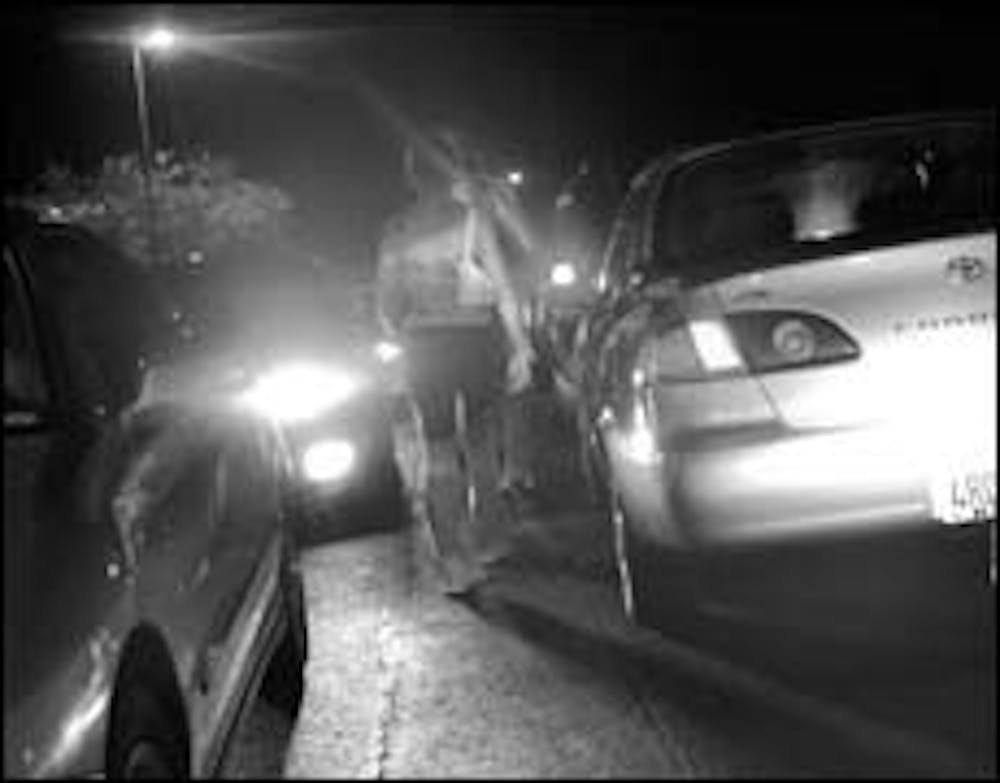
According to Grundman, she came out of the room and began to cry. "The word 'rape' spread around the room like wildfire," he says. After a few moments, Kania pointed out the alleged rapist, and several people surrounded him. "It started to get violent," Grundman says. Someone called the police. When they got there Kania filled out a report and then was taken to a hospital for tests.
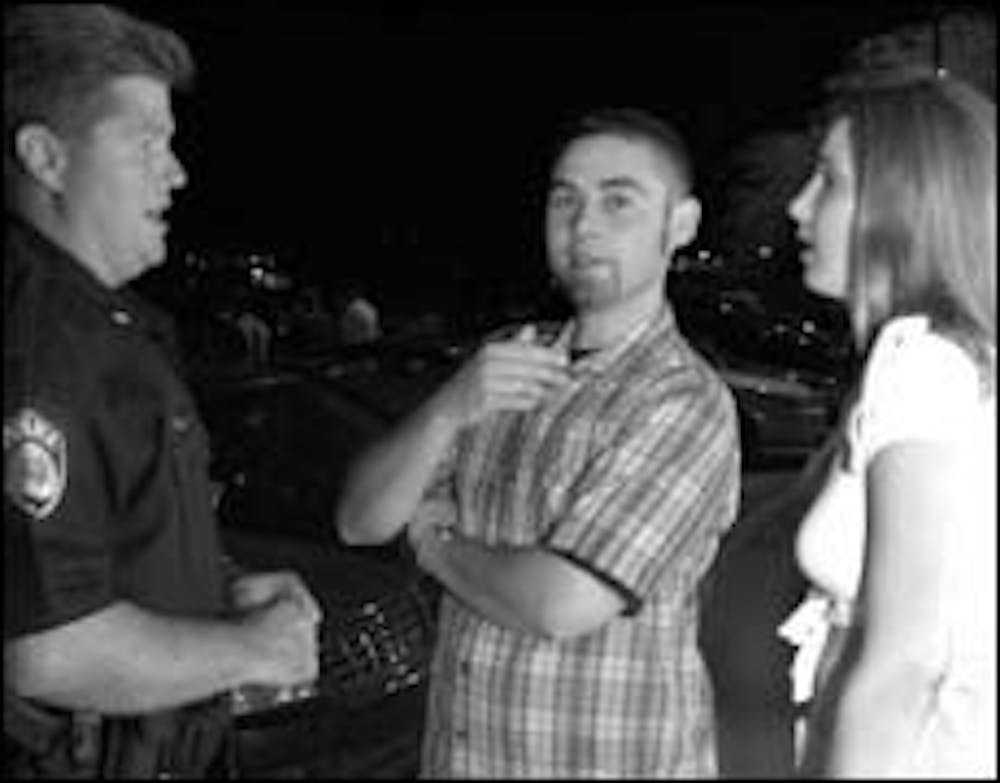
The police questioned everyone that hadn't left, one by one, in an empty bedroom. They ripped a shoe-sized chunk of carpet from Grundman's bedroom floor to take as evidence. Hours later, the party's hosts went to bed. "I didn't expect anything like that to happen," Grundman says, "it was awful."
An ASU reputation
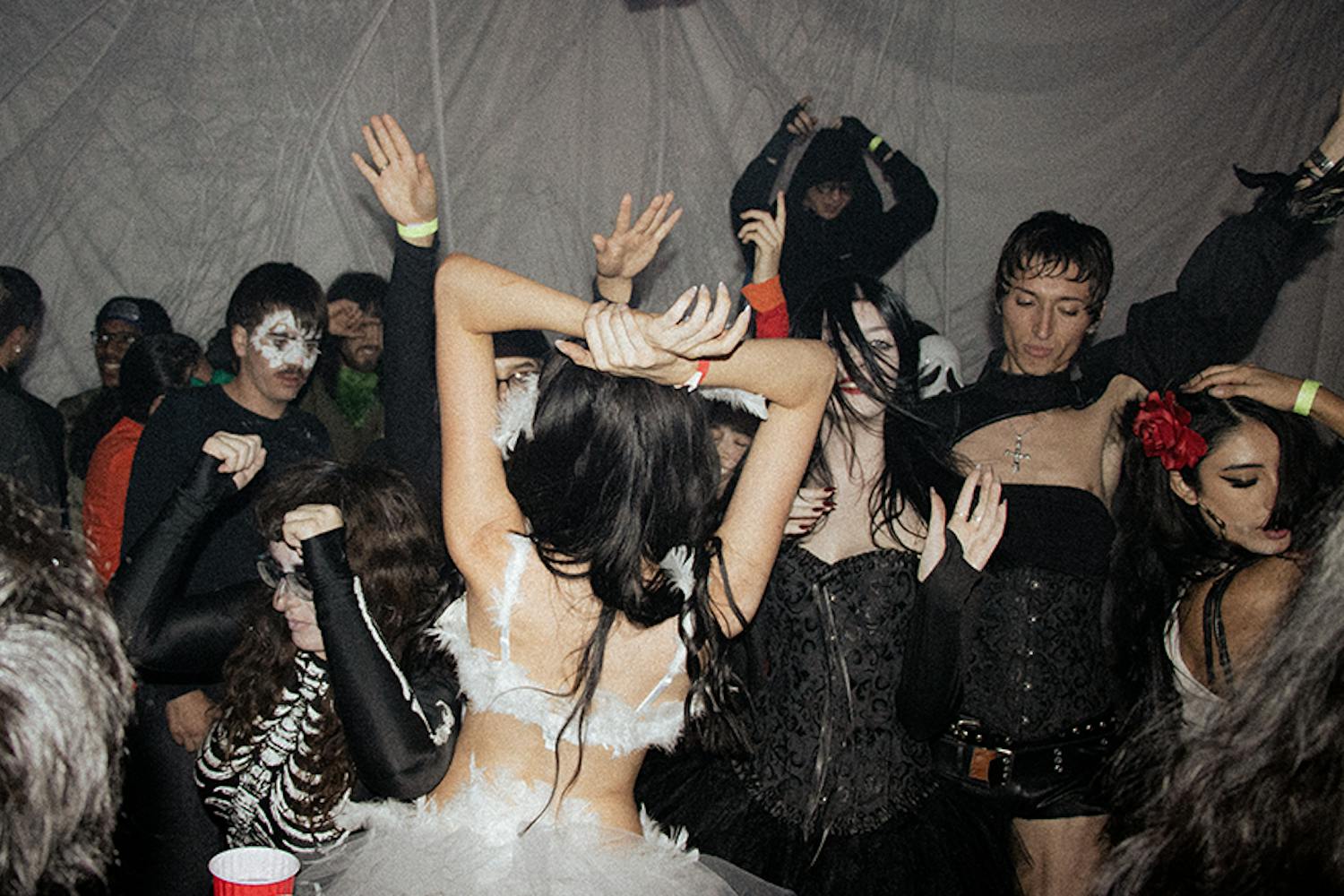
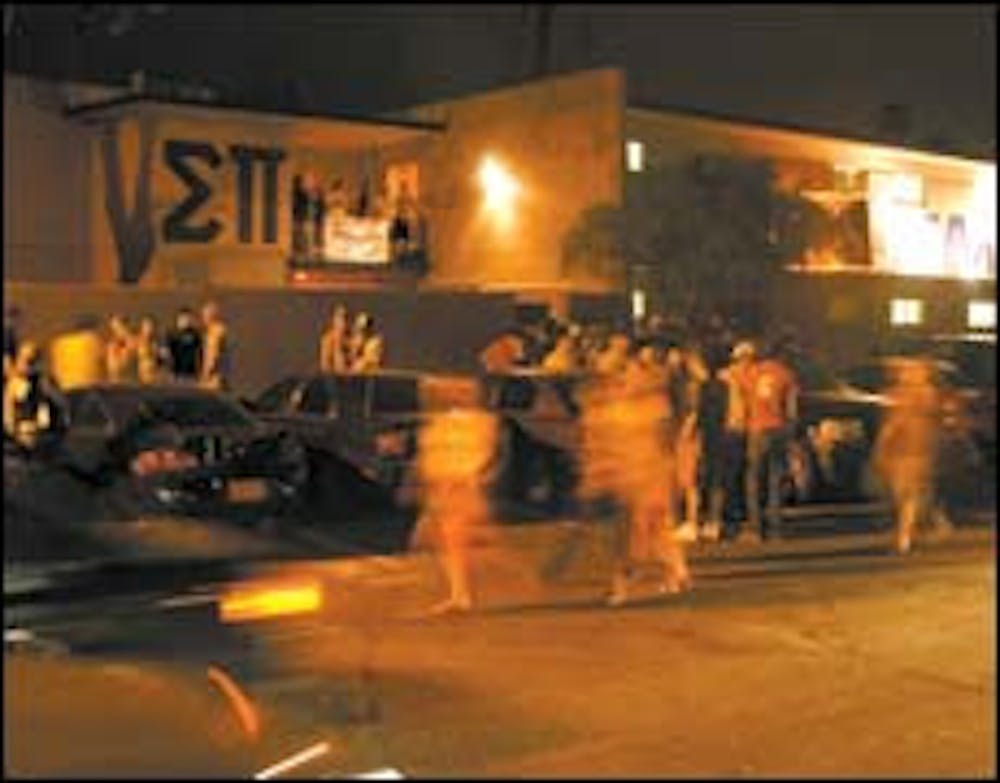
ASU has a party school reputation, which is understandable given the sheer number of students in close quarters. Surround them with beer and music, and the atmosphere becomes exciting, unpredictable. As with any lively scene, though, it can be difficult for authorities and hosts to regulate when things get out of hand.
Officer Brand Stewart, who specializes in crime prevention, says most parties aren't dangerous, and do not cause problems. "ASU is rated in magazines as a party school," Stewart says. "Most people expect it when they come here." Usually when the police are called to a party, the police issue a warning and that subdues it, according to Stewart.
The police, however, are not always called. There are not enough officers to patrol every portion of the city on a weekend night, especially with the concentration of events and bars downtown, Stewart says. Sometimes neighbors don't hear the festivities at their neighbors' houses, or simply don't feel a need to call. Many people assume parties that thrive well into the morning with no police intervention are probably safe and seamless.
Several party-going students spoke to the contrary. Students had stories of rounds of gunfire being emptied into walls and backyards, a story of a fight between high-school aged girls where one young woman was carried from the party unconscious. All of these events occurred without police intervention and the parties' hosts handled the matters privately.
A Neighborhood Fuss
Theology senior Alison Stevenson recalled a time she stayed at a friend's party late into the morning, when there were just a few people left. "They started breaking bottles over each other's heads. It wasn't a fight, it was just for kicks or something. It wasn't too bad, until one guy picks up a 40-ounce [beer] bottle, and broke it over his own head. He was bleeding, and so woozy that he didn't realize he was the one who'd done it." Stevenson says there were no police present.
Occasionally the police are called, and many times by angry neighbors. Stewart recalled a recent party he responded to where partygoers were "urinating and defecating" on the neighbors' lawns. He says the neighbors in that situation were furious. "If we didn't show up," he says, "they would have taken matters into their own hands. We're talking pitchforks, torches... not literally, but that level of anger."
Stewart explained that reacting to a party when it becomes loud is not going to prevent dangerous situations. "The current laws are fine-based and enforced only when complaints are made. The laws allow only for a reactive solution, a short-term solution," Stewart says. "They won't prevent the trend from escalating." Stewart says efforts are being made to punish the landlords of 'party houses' rather than the tenants. "Tenants don't care," he says, "if they get kicked out, so what? The lease was up in three months anyway."
Legal issues aside, the neighborly consequences of having a party are other areas of concern. According to Cynthia Grant, president of the Rural-Geneva Neighborhood Association in Tempe, parties on rental properties are the main source of fuss among neighbors.
"A number [of neighbors] have complained of being intimidated by the students and adults who rent in the neighborhood," Grant says. She explained that students are often rude and inconsiderate, and that students don't understand their responsibilities to their neighborhood communities. "Some of the residents have lived here 30 or 40 years," Grant says. "They're good people. They have the right to a peaceful evening."
A positive image
Tempe Mayor Neil Giuliano says believes the party problem is not uncontrollable, nor is it new. "It has always existed and always will exist," he says. Giuliano says that while there are students who cause problems, the overwhelming majority of students contribute to the community in a positive way. "After speaking with mayors of other college towns, I believe the party problems here are relatively small," Giuliano says.
There are many potential victims when a large party is held; the neighbors, the property itself, and the people at the party. For Eva Kania, one party changed everything. "I was really depressed for a few months," she says. Kania says that immediately after the incident, she began drinking more and using drugs. "It was so hard for me to admit to anyone that I was having a difficult time. People were supportive," she says, "but I was still pretty hard on myself." She explained that after telling her family, and getting a little distance from the incident, she feels much better. "Every time I think of it now, I pity the guy," she says. "What a mean thing to do to somebody, and he has to live with it."
She filed charges, but has since moved from the area and has not heard anything from Tempe police.
For those who decide to hold parties at their homes, "Pay attention," Stewart says. "Know who is in your home. That's basic. Anything that happens in your home can come back to you," he says. For the victims of incidents, including neighbors who can't sleep through the celebration next door, "Call the police," Stewart says. "Don't worry about how it appears. We can't begin to address anything that we don't know is happening."
Reach the reporter at emily.lyons@asu.edu