Imagine a fierce recruiting battle for one of the nation's top quarterbacks. You come so close to gaining the commitment, but at the very last moment, you lose to a conference rival offering a better NIL deal.
Your team is still talented — talented enough to reach the conference championship, only to lose in a bitter, close game.
Your team didn't lose on the field; they lost before the season even started.
Your rival didn't beat you with their own pockets — they beat you with foreign ones.
NIL has rapidly changed how college athletics programs recruit athletes. After the 2025 House vs NCAA settlement – a federal antitrust case where former student athletes argued that the NCAA's restrictions on athlete compensation violated antitrust law – universities can now participate in revenue share directly with their athletes while also facilitating NIL deals.
NIL is no longer just a perk for student athletes, but a recruiting weapon that schools must utilize. Programs willing to think bigger about where that money comes from will have a decisive edge over their competition.
However, following this landmark case, current legislation introduced in the United States Congress aims to largely prohibit foreign investment into NIL collectives.
Bipartisan legislation titled the "No Foreign NIL Funds Act," introduced in February 2026, would ban foreign nations and entities from donating to any NIL agreement, prohibit them from investing in collegiate athletics revenue streams and block naming rights and broadcast media contracts.
Republican Rep. Blake Moore of Utah, one of the two main sponsors of the legislation, cites concerns of foreign money being funneled into American institutions to bolster the foreign nation's influence in the United States, with little to no transparency of the funds being available.
Concern over the distribution of funds and the lack of transparency with foreign investment into American universities is legitimate. However, with legislation this broad, there is the risk of restricting student athletes from receiving their full potential of resources.
Even with legal ambiguity, we've already seen programs thinking internationally. In 2024, a former Colorado football assistant coach made a trip to Saudi Arabia to seek investment into the university's NIL collective.
In 2025, UNC football general manager Michael Lombardi — working with head coach Bill Belichick — traveled to Saudi Arabia before the season opener to discuss investment opportunities for the program, a trip which the university confirmed and was initiated and funded by Saudi hosts.
According to Sports Illustrated, representatives from the Atlantic Coast Conference met with Saudi officials to discuss hosting the 2025 Holiday Bowl in Saudi Arabia. In addition to all of this, CBS Sports' Jon Rothstein reported that multiple Power Four athletic conferences are finalizing plans to organize an early-season college basketball tournament in Dubai for the upcoming season.
These aren't coincidences — they are the early moves of programs building foreign financial pipelines that will directly translate into recruiting advantages.
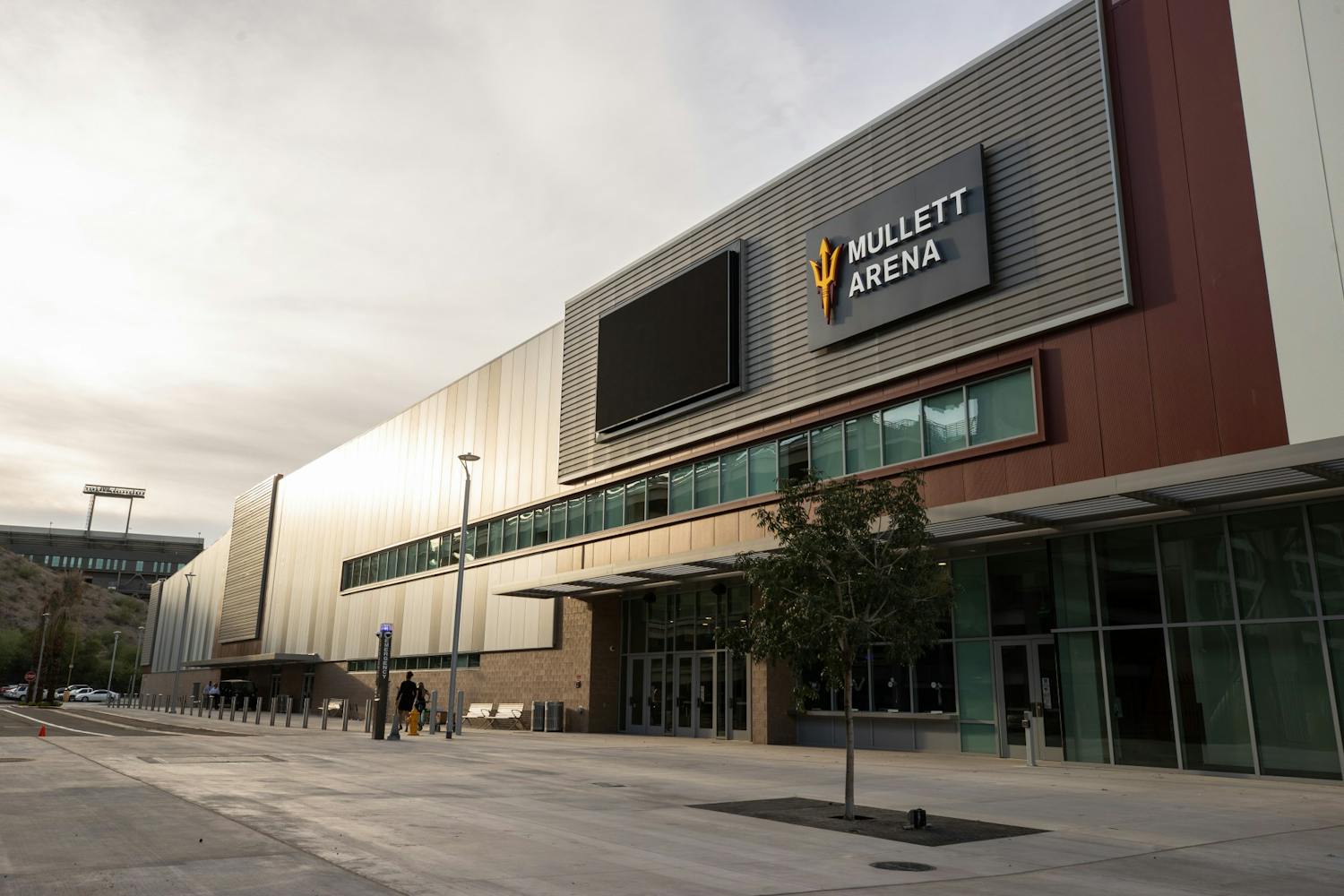
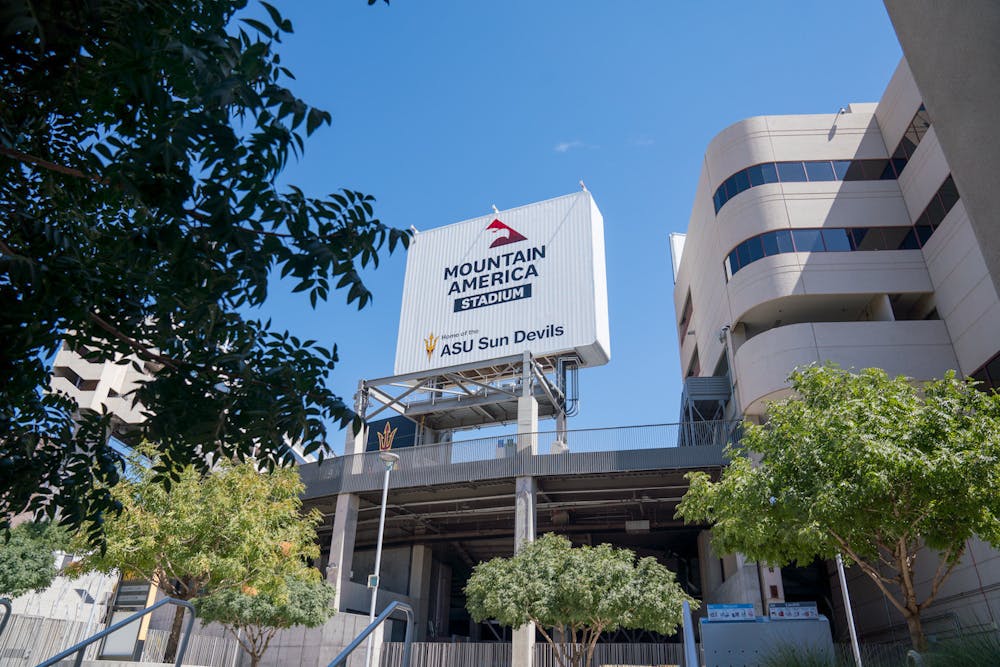
While other programs have laid a foundation for the partnership with foreign entities, ASU's silence regarding the issue has the potential to put the University at a significant disadvantage in athletics.
While ASU may not have disclosed a plan to build a foreign NIL investment relationship, it doesn't mean the building blocks aren't there. In fact, no university is better positioned to lead on foreign NIL investment than ASU.
The University has been consistently one of the nation's top universities for international enrollment. Many of ASU's athletics programs are made up of international student athletes who have established followings and give ASU a tremendous international brand and name recognition.
The infrastructure for global NIL isn't hypothetical at ASU; it exists for many athletes already wearing the Sun Devil uniform. Getting on top of this now would put ASU athletics at the forefront of success.
The legality of foreign NIL investment remains unclear, but neglecting the opportunity is neglecting ASU athletics.
Editor's note: The opinions presented in this letter are the author's and do not imply any endorsement from The State Press or its editors.
Edited by Niall Rosenberg, Henry Smardo, Katrina Michalak and Ellis Preston.
This content was contributed by an author who does not work at The State Press. If you are a community member who would also like to contribute, please email execed.statepress@gmail.com.