KARBALA, Iraq - Marking one of the most important Shiite holy days in this ancient city for the first time in more than 30 years, exultant Shiite pilgrims Tuesday called on U.S. forces to leave Iraq.
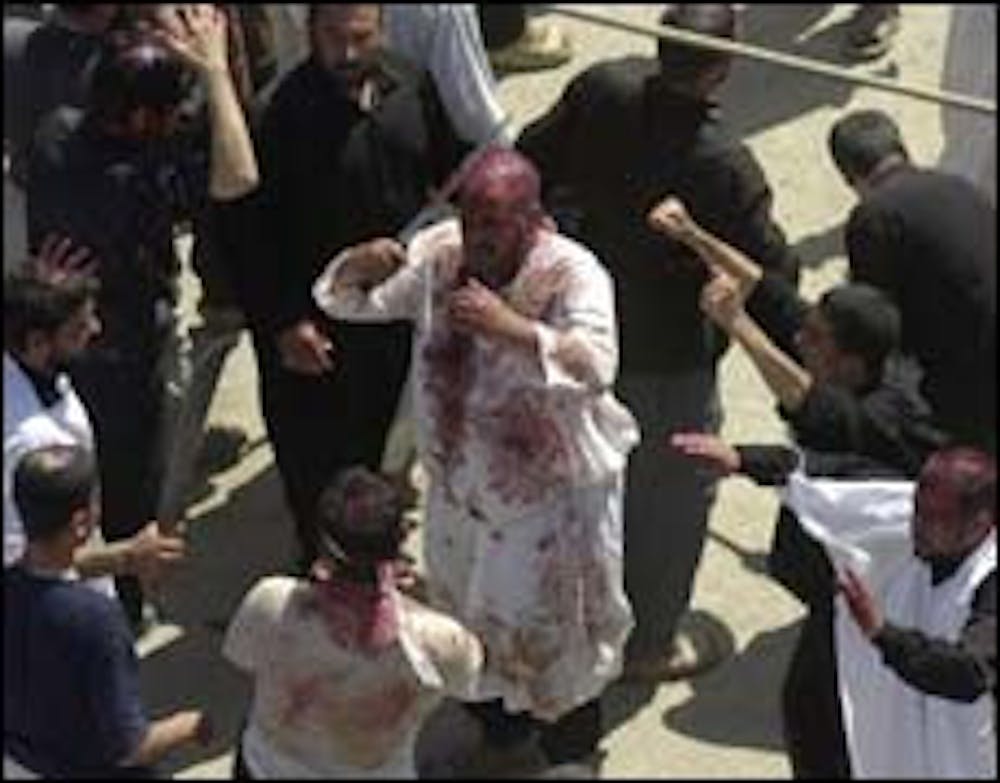
Some men drew blood from their foreheads with swords, others pounded their chests with their fists and many wept openly in grief as the huge crowds worked themselves into a frenzy of sorrow over the death of their martyred leader, Imam Hussein, at the battle of Karbala in 680 A.D.
The pilgrimage to Karbala on the 40th day of mourning after his death has been an annual Shiite ritual ever since, but the tradition was banned by the Baath Party along with other rites and ceremonies of the majority Shiite community.
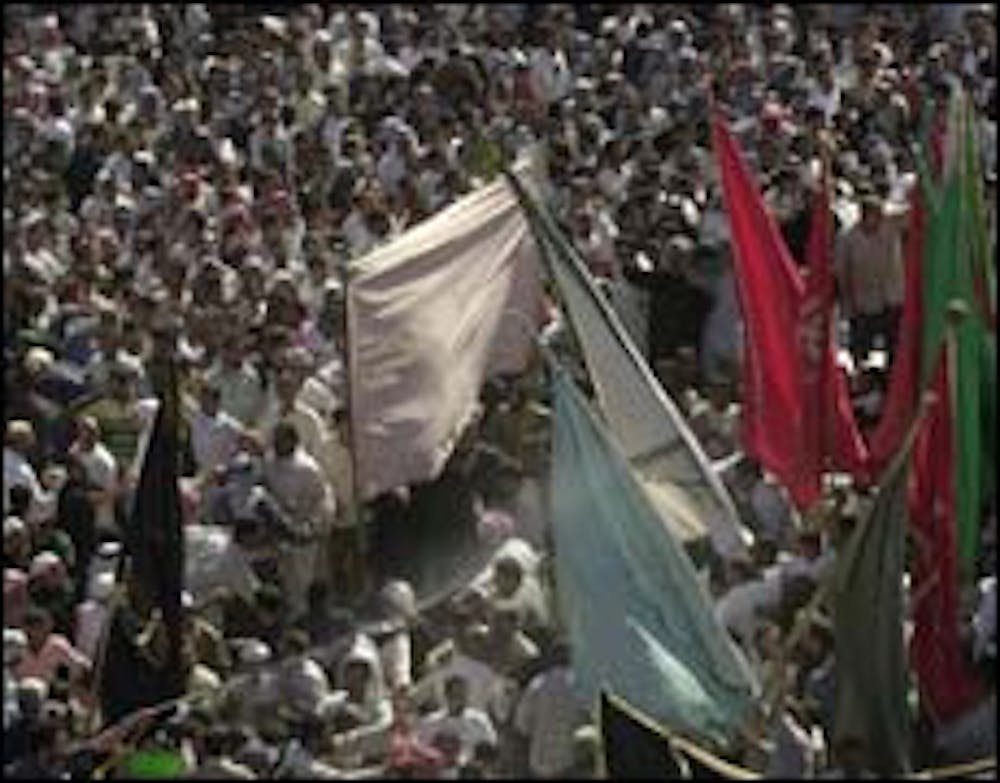
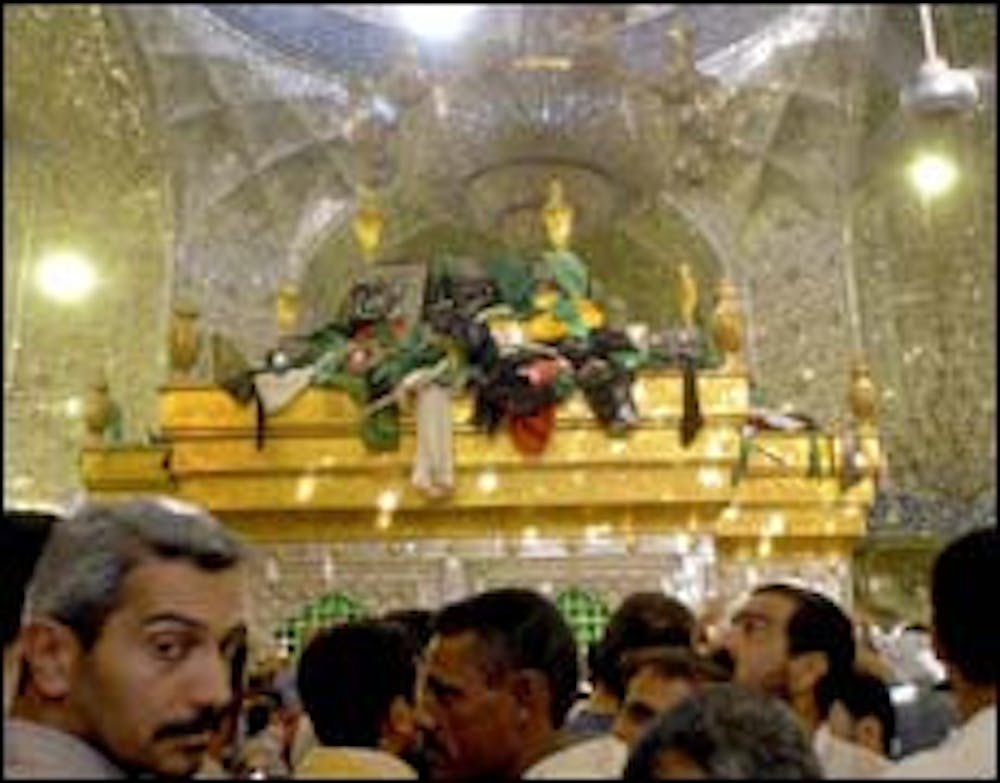
Estimates of the numbers attending ranged from 1 million, according to U.S. Brig. Gen. Vincent Brooks at U.S. Central Command in Doha, Qatar, to 4 million, according to clerics in Karbala. Most arrived on foot, and the streets around the gold-domed mosque where Hussein's head is reputedly buried were crammed with a heaving, chanting mass of people.
The huge gathering testified to the emerging political muscle of Iraq's long-suppressed Shiite community, which has moved forcefully to assert its claims to a prominent place in post-war Iraq.
Many of the pilgrims called out their thanks to President Bush and to America for ousting Saddam Hussein. None, however, said they would be willing to countenance a long-term American presence in Iraq, and there were strident calls for U.S. troops to leave.
"No to Saddam. No to America. Yes to Islam," chanted one group of young men as they marched into the mosque to pray. Another carried high a banner declaring "All Iraqi religions reject U.S. forces." Yet another banner simply said, "America leave."
Shiite clerics attending the gathering called on their followers to use peaceful methods to force the Americans to go home. "Public opinion is building against the Americans, and we must try to find a peaceful way to force America to leave," said Sheikh Abdul Mehdi al Salami, a representative of the powerful Hawza clerical school based in Najaf. "If peaceful demonstrations don't work, we will have to see what to do when the time comes."
Adel Mohsen, a Karbala resident who stood outside his home to offer water and tea to passing pilgrims, predicted widespread resistance to the United States in the future.
"You see how many people we are," he said, gesticulating toward the crush of people. "If American troops stay here, all these people will make a revolution."
"We are thankful to America because they toppled Saddam, but we suspect America has its own agenda for coming here, and so they must go," he added.
He, like many of those interviewed, said he favored an Islamic government, based on Islamic law, though he said such a government should be a tolerant one.
"We want a government that observes Islamic law and also that respects other religions," he said. "Even Christian people have a right to do their ceremonies. "
For many of the pilgrims, however, the question of Iraq's future was secondary to their relief that the horrors of the past are over.
Footsore and weary after walking for several days in some instances, they sat on sidewalks and swapped stories of their bitter experiences at the hands of Saddam's regime.
Maki Saleh Mehdi, 38, pausing to bathe his feet in one of the tubs of iced water put out by thoughtful residents, described how he tried to perform the pilgrimage in 1998 with a group of 45 others.
They were diverted down a side road by a Baath Party checkpoint, and about half a mile further on, soldiers opened fire on them. Mehdi and nine others were arrested and imprisoned for a year; he has not seen the others since and believes they were all killed.
"We are just happy that we can perform our religious traditions peacefully now," he said.
© 2003, Chicago Tribune.
Visit the Chicago Tribune on the Internet at http://www.chicago.tribune.com/
Distributed by Knight Ridder/Tribune Information Services.