Three studies done by British and Canadian scientists published in the British Medical Journal last week found mixed evidence that anti-depressants increase the chances of suicidal thoughts in adults.
The studies are in response to a Federal Drug Administration warning issued in March 2004 about the possible side effects of new anti-depressant medications in children and teens. In clinical trials, children and teens reported suicidal thoughts.
The studies were attempting to find the link in adults.
Two of the studies found inconclusive evidence that anti-depressants led to suicide, and the other found positive data.
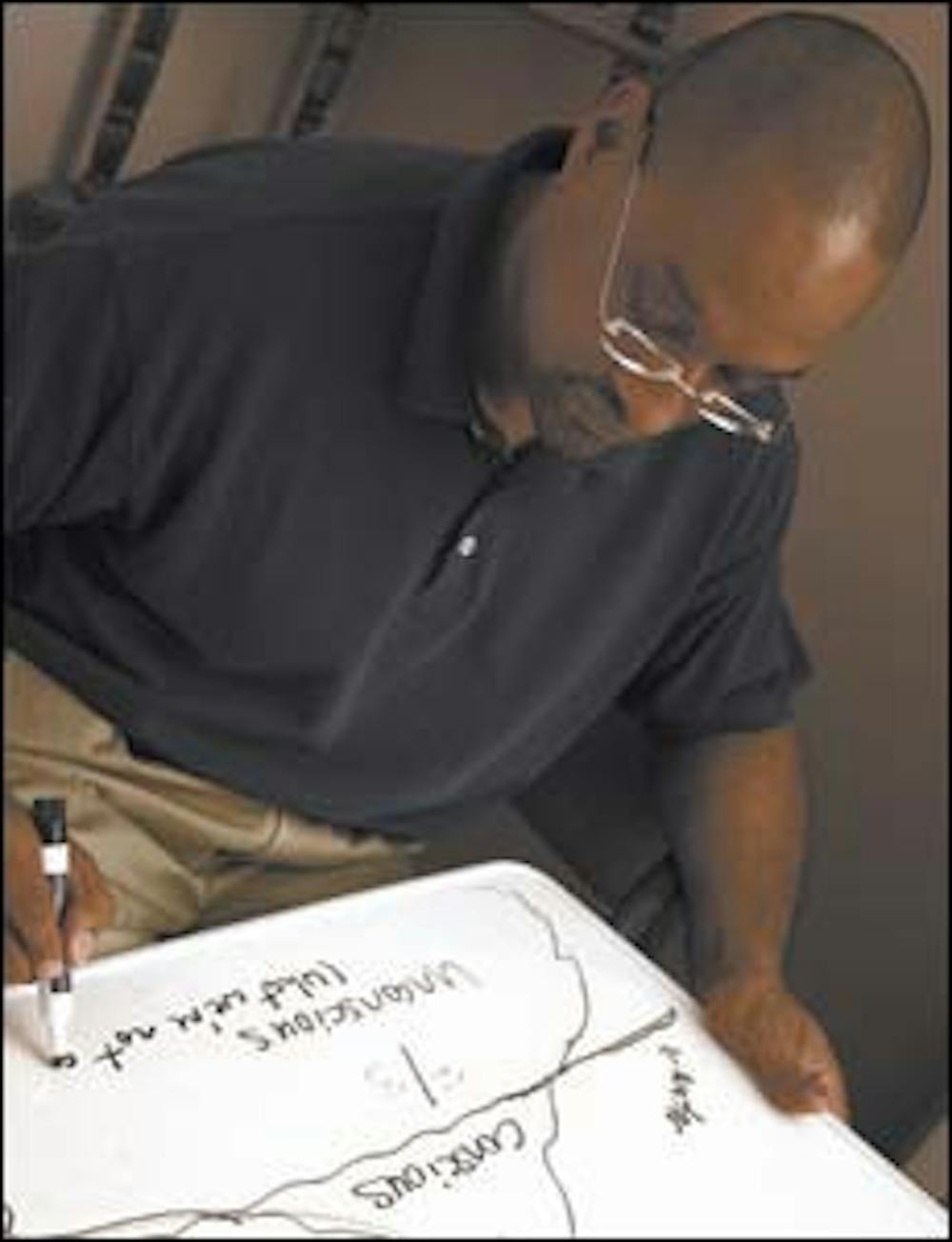
Dr. Michael Johnson, a psychologist with ASU Counseling and Consultation, said college-age people could be susceptible to the link between suicidal thoughts and anti-depressants.
Future studies should analyze the gaps between the age groups, he added.
Depression is common on campus. The Student Health and Wellness Center sold 1,880 anti-depressant prescriptions in 2004 and 160 last month.
"We are a slice of society, we have 50,000 people here, so there will be a fair amount [of students] who are depressed," said Carl Labbe, pharmacy manager at the health center. "There is not a huge difference between the number of prescriptions sold here and those out in the community."
ASU's Counseling and Consultation typically sees 600 to 700 students a semester during first-time counseling sessions, and two-thirds of those express a depressive symptom as a concern that led them to seek help, Johnson said.
"A common factor [for depression in college students] oftentimes is adjustment challenges," Johnson said. "Students living on their own, meeting new people, going from a smaller high school to a big university and school not being what they thought it would be can be triggers for [depression]."
People are typically depressed for biological or environmental reasons, such as the death of a loved one or a debilitating injury.
Johnson said ASU students might be susceptible to this disease for the developmental experiences they go through, like difficulty making friends and school stress or for common causes such as family problems.
Marketing senior Gina Destefano has had friends who were depressed and noticed changes in them.
"They are quiet and don't want to go out and distance themselves from everyone," she said.
Destefano could see how students may become depressed in a university environment, especially freshmen.
"College students are away from home and starting a new life," she said.
Labbe believes medication is a useful form of treatment but should be paired with counseling from a professional.
"Most prescriptions we fill are coming from providers on campus, and they are not refills but new prescriptions," Labbe said. "I am confident students are seeing providers."
Labbe said people often misuse anti-depressants, taking them on an as-needed basis when they should be taken regularly to work. People typically do not abuse them recreationally.
Johnson said scientists are still trying to pinpoint exactly how anti-depressants affect the brain, as well as how and why these medications work.
"It is a complex process that's going to take years to figure out why they work or why they aren't effective in children and teens," Johnson said.
Reach the reporter at courtney.bonnell@asu.edu.
|