The smell of dust fills the air as it swirls from one place to the next.
Like the dust, I too am a traveler - an individual with enough guts (or stupidity) to travel to the Middle East and say, "OK, so now what?"
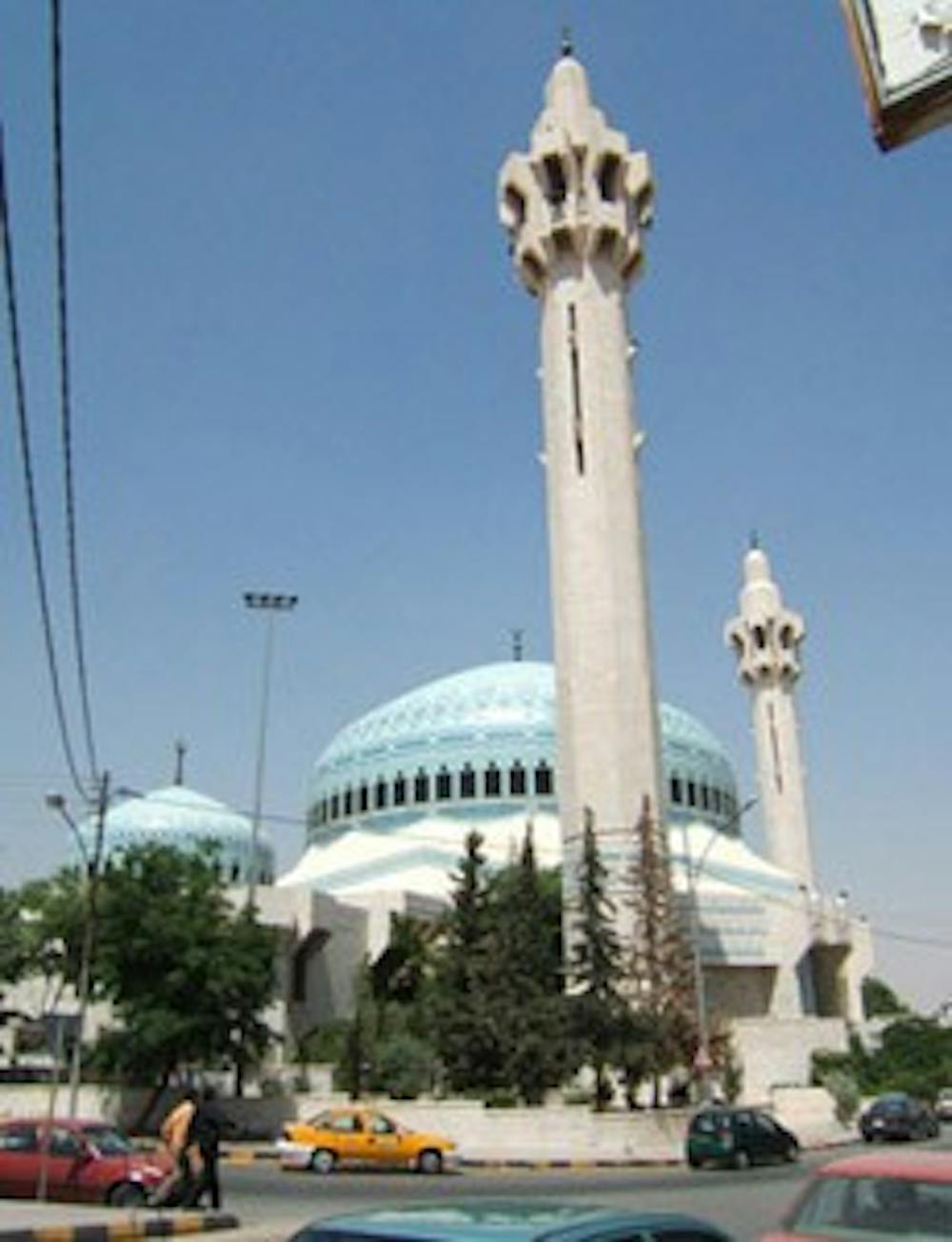
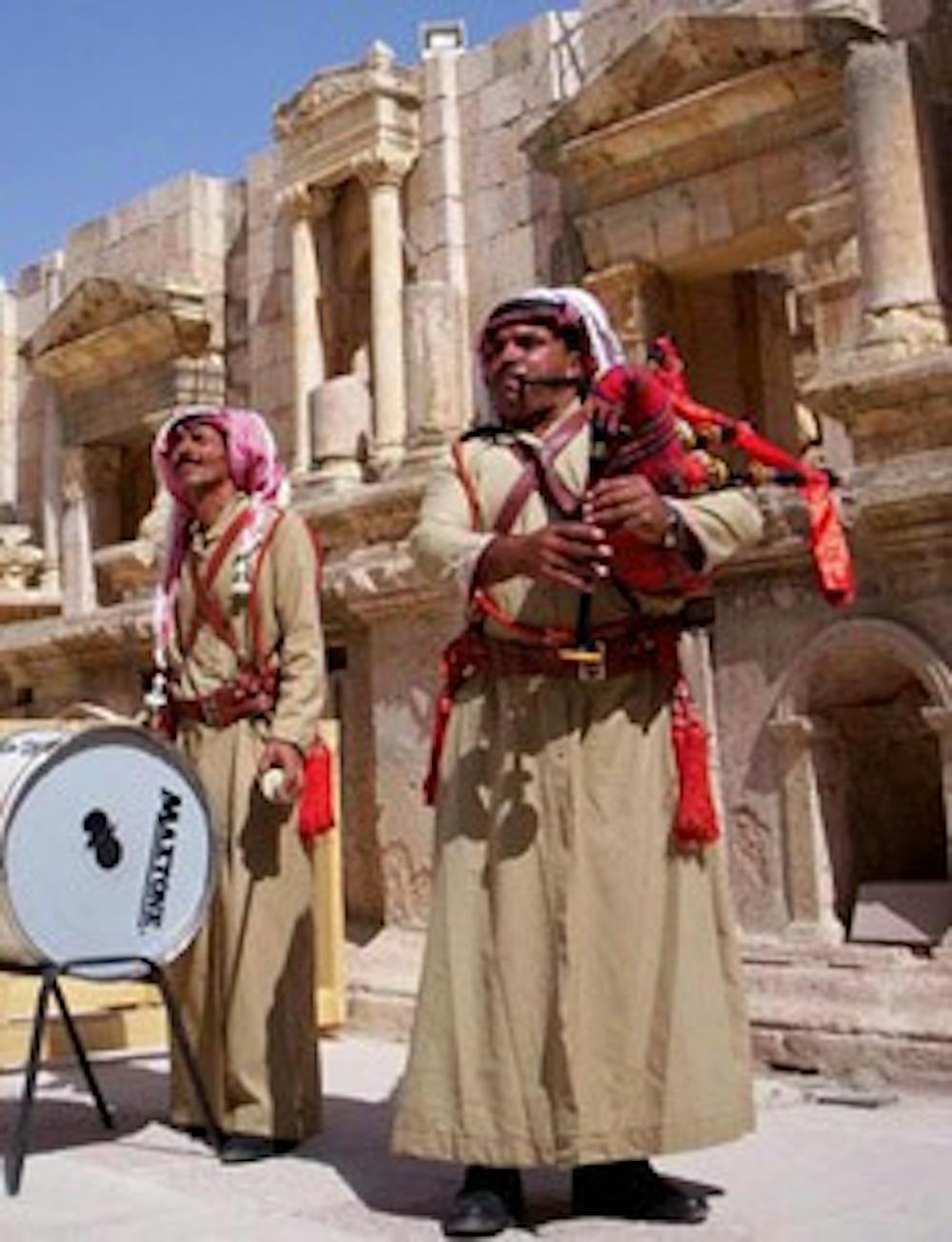
This past summer I studied abroad for a month in Jordan, a Middle Eastern country that borders Israel, Syria, Iraq and Saudi Arabia. I ventured to this far off land to study the Arabic language and learn about the Muslim culture first hand.
This journey was important to me because it seems that especially during these times of Middle Eastern turmoil, students, and all Americans for that matter, should be well-informed. And not just about the war in Iraq and terrorists, but also about the culture of these people, who are not as different and estranged from us as we Americans seem to view them.
"Once people realize that we are similar to them, they will be less intimidated," says political science sophomore Huda Shrourou, a member of the Muslim Student Association on campus.
In Jordan, I was lucky enough to experience a few similarities first hand.
Burger King (or "Burjer Kije," as is pronounced in Jordan due to the fact that there is no "G" in the Arabic language), for example, is a social haven for young and old Jordanians alike, just like their American counterparts.
And the streets of Swafeah, the fast-paced, bustling metropolis of Amman (the capital city of Jordan), didn't feel so different from the average American shopping mall. I felt strange walking by Gap Kids and Starbucks, unprepared to see popular American-based companies in such foreign surroundings.
But it's not surprising that this isn't what most Americans would expect from the Middle East.
"I think most of the people that believe the stereotypes don't actually know any Muslims," says nonprofit management and communication senior Rema Nsaredden, who is president of the MSA. "They just believe what they see on TV."
And what people see on TV can be far from accurate. In my travels, most Muslims I met were eager to lend a helping hand -- literally.
While visiting the Dead Sea, a well-known vacation spot for Americans and Muslims, "You missed a spot," was the popular phrase for the day, as people coated themselves in the salty mud. The Dead Sea, or Al-Bahr al-Mayit, derives its name from the high salinity content.
For this reason, the Dead Sea mud is rumored to do wonders for one's skin. Curious tourists generously apply it everywhere, and when it came to those hard to reach places, I was shocked to see how quickly strangers became intimate friends, lathering each other up with unabashed pride.
But similarities aside, I enjoyed the differences the most.
Petra, affectionately named the "Rose City," is a true mark of genius in its own right. The city boasts intricately carved tombs embedded into the rock. Almost as spectacular as the tombs are the geological swirls and shades of color that Petra derives its name from.
The Nabataeans were the first nomadic tribe to live in the city in the sixth century B.C. Today the local Bedouin, decedents of the Nabataeans, maintain the city. I found the city's artistic quality to be innately beautiful. Specifically The Treasury, or Al-Khazneh as the locals refer to it, seemed to be the most photographed site in Petra.
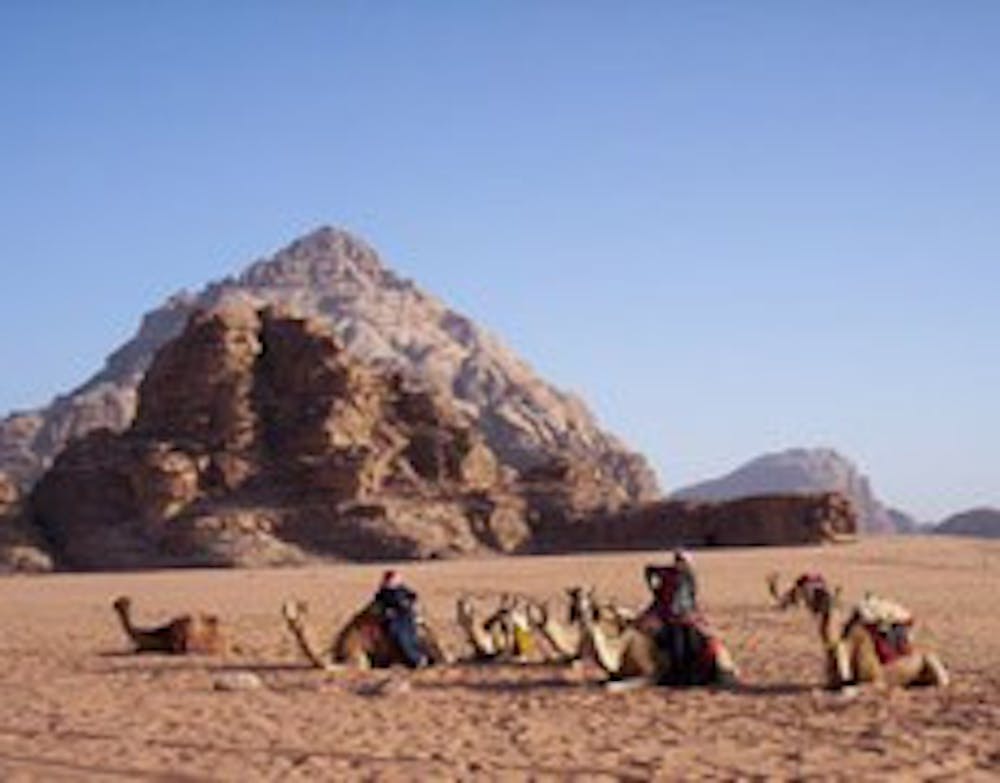
My personal favorite location, Wadi Rum, offers some of the most extraordinary desert scenery, regulated by the changing angles of the sun. The area was made famous by the 1962 film "Lawrence of Arabia."
And beyond its historical recognition, Wadi Rum has an ambiance all its own. I felt safe and speechless viewing the seemingly remote area.
In addition to the photographs, I gained simple answers to complex questions from my travels.
I learned that people are simply people. We all want the same things and are all driven by the same motivations. We all strive for acceptance among peers and coworkers, education for ourselves and our families and an overall desire to be viewed as equals.
With travel comes knowledge and with knowledge responsibility - a responsibility to learn more about ourselves and our peers.
Reach the reporter at: jacqueline.mazur@gmail.com