As consumers, what do we do when religion affects service, efficiency and even our money?
Since the creation of the American Constitution, our Founding Fathers made apparent the inherently nondenominational nature of our country's beliefs and our citizens' rights.
Wal-Mart pharmacist Neil Noesen refused to serve customers who wanted birth control prescriptions because of his Catholic beliefs against the use of contraception.
"He put customers who called about birth control on hold indefinitely and refused to get service for those who showed up in person without notifying other pharmacists," U.S. District Court Judge John Shabaz said, according to the Associated Press.
Noesen filed a lawsuit against the company when they terminated him, but Shabaz dismissed the case under the reasoning that he was "disruptive" and "failed to meet Wal-Mart's expectations."
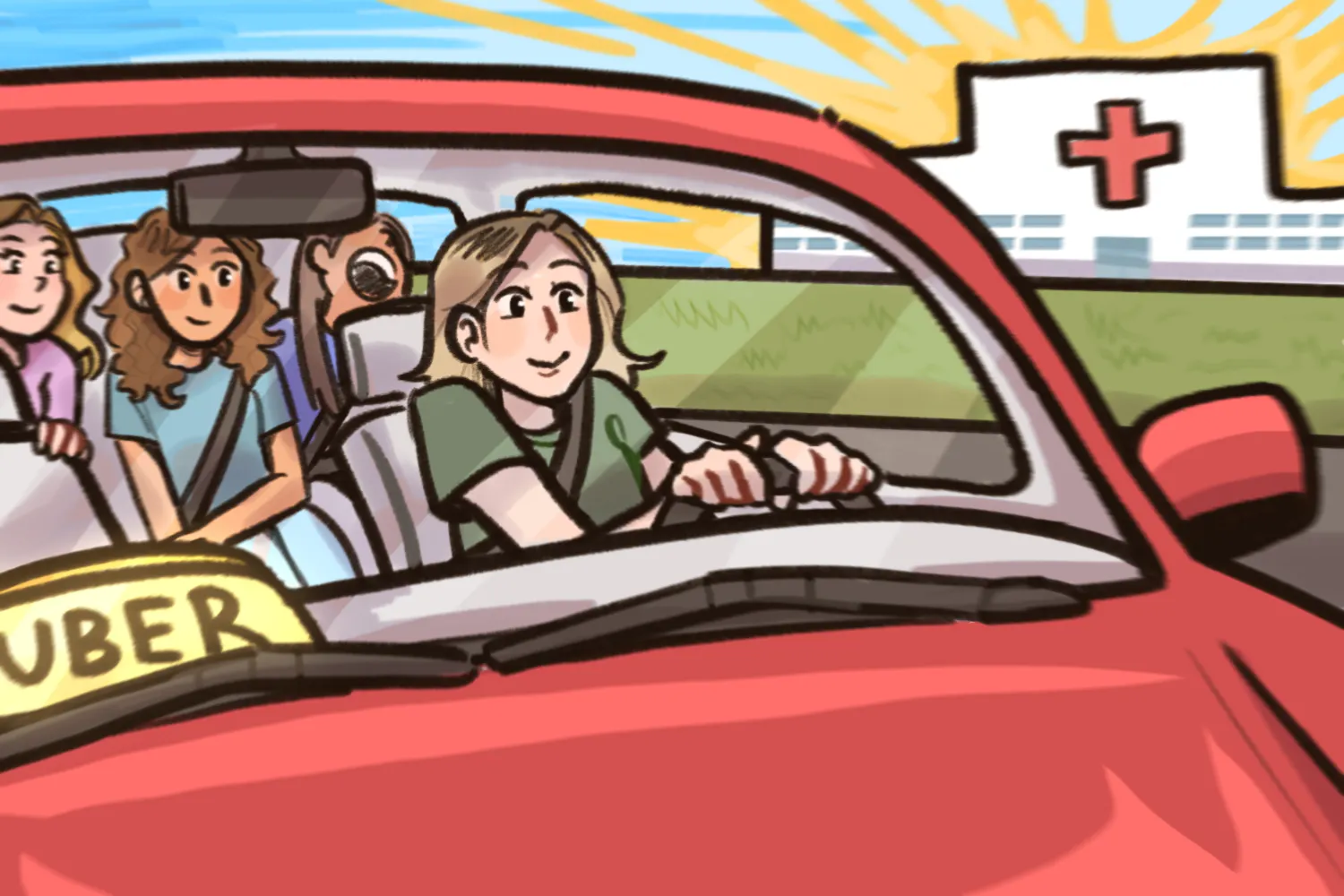
Meanwhile, here in Phoenix, Sky Harbor International Airport authorities installed a cleanup station near the taxi and limousine holding areas to accommodate its population of Muslim cab drivers and their prayer schedule and practices.
The Islamic participants perform the ritual cleansing of their feet and hands as they turn toward the holy city of Mecca before praying to their Creator.
Religious expression is an individual right, and if I stand for anything it's for freedom of religion and practice.
However, this cleanup station was funded through "airport-user fees," said Deborah Ostreicher, spokeswoman for Sky Harbor.
At least now we know where those additional expenses tacked on to the price of an airline ticket go.
"Sometimes there are as many as 400 drivers waiting," Ostreicher said. "And they can be there for hours at a time."
Great. Now, in all likelihood, we'll be waiting to hail cabs, too.
Apparently alcohol is also a contingency for whether or not passengers can snag a ride in a taxi.
At the Minneapolis-St. Paul International Airport in Minnesota, about three-quarters of the cab drivers are Muslim, and operate under their belief that to carry, buy, sell or drink alcohol is forbidden in the Quran, as reported in the Star Tribune.
If a possible fare is clearly toting alcohol, many will be denied transportation.
The Metropolitan Airports Commission, along with representatives of the taxi drivers and members of the Minnesota chapter of the Muslim American Society are putting together a plan: Colored lights will be attached to taxi cab roofs to signal to dispatchers and passengers which cabs will accept their fare.
At least a system is being developed in this situation to help continue the flow of traffic, and the flow of revenue. Passengers will be able to get rides without being refused by multiple drivers before finding ones that will take them to their destinations.
I'm not saying these pharmacists, cab drivers or even any religious followers should disregard their beliefs in order to perform their job duties. There are just so many circumstances and beliefs that could be taken into consideration in places of business.
Should a publisher be able to refuse service to a novelist because she doesn't agree with the viewpoint of the story?
Should a waiter be able to refuse service to a bulimic person because he feels that the food would only be wasted?
If we as a society are going to accept the stipulations of different religions - which is championed in the First Amendment - we should accept them for all religions.
And for the provisos we've already recognized, we need organization and efficiency to keep the rest of society running smoothly, and not always late due to a lack of transportation (or a lack of contraception).
Kirsten Keane is a journalism sophomore. Contact her at Kirsten.Keane@asu.edu.