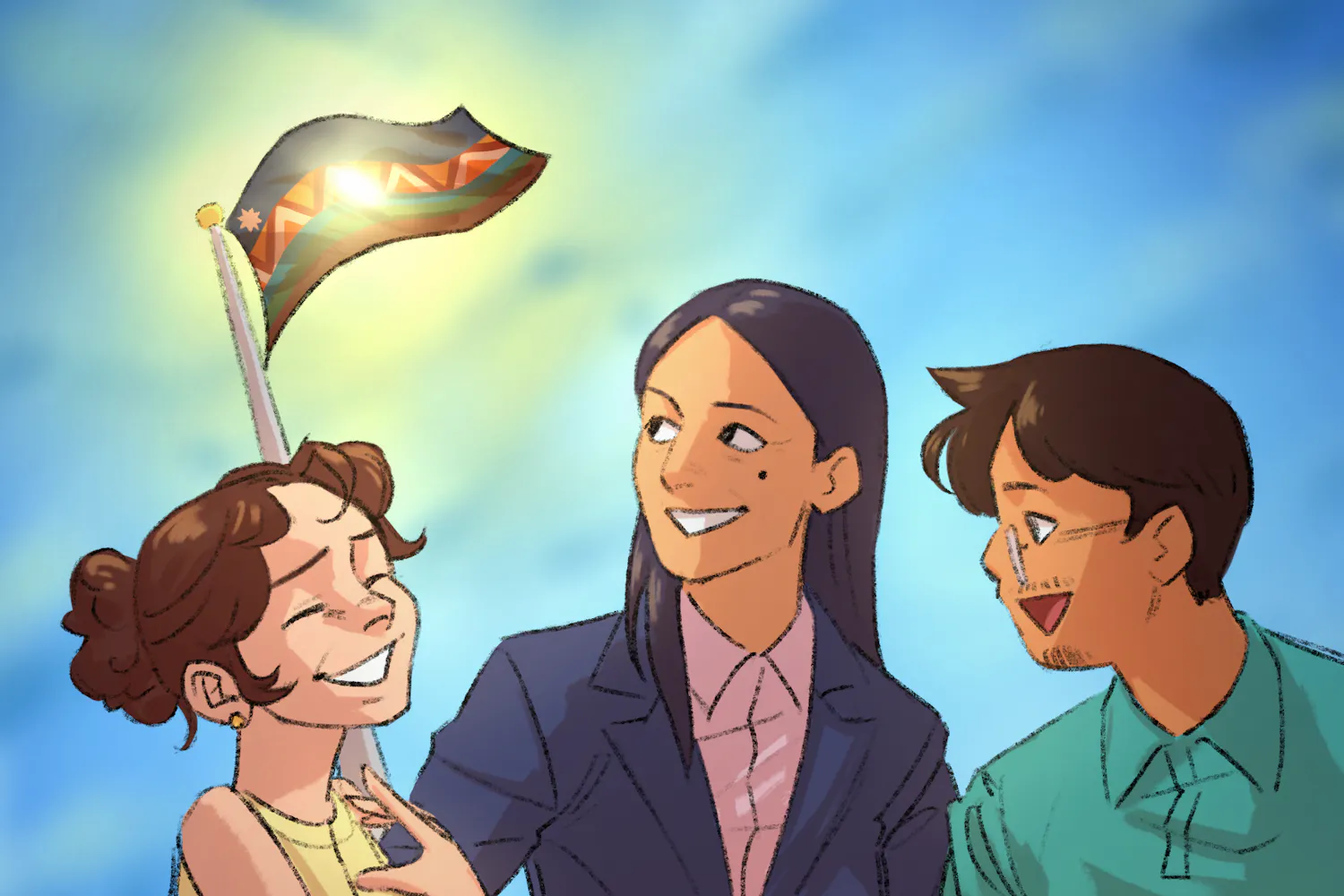
Students involved in the Engineering Projects in Community Service program use their engineering skills to positively affect communities around them.
EPICS provides undergraduate students with opportunities to use skills learned in the classroom and apply them to real-world problems. Projects can range from helping endangered monkeys cross the street in Vietnam to creating accessible maps for ASU students.
How does it work?
"(EPICS) allows students to have the opportunity to work on real projects, to get real hands-on learning, to interact with real customers and to get that experience that's kind of hard to replicate any other way in the classroom," Daniel Frank, a member of the EPICS faculty, said.
The program pairs students with local or international nonprofits to tackle engineering problems. Jenny Wong, an instructor for academic and student affairs at the Ira A. Fulton Schools of Engineering, said these community partners approach EPICS with problems for the students to attempt to solve.
"We challenge our students to develop an engineering solution," Wong said.
The full process from ideation to implementation can take up to three academic semesters. Students are initially organized into groups of five to eight and have the option to work on the projects from beginning to end, which many students choose to do.
What are some projects students work on?
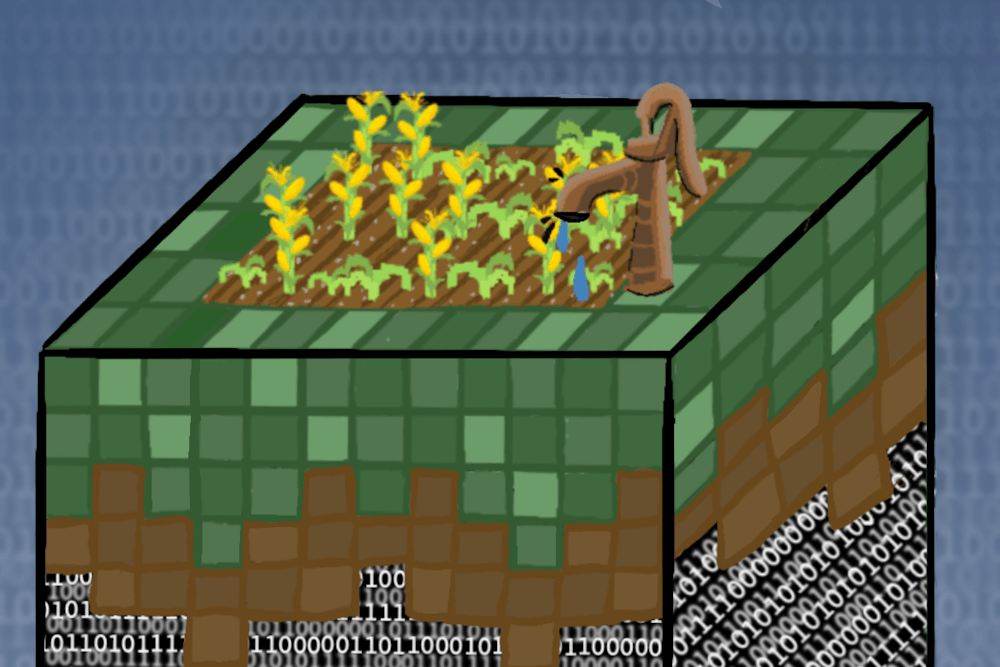
Students in the Nuetech.ai project use their coding skills to create easy-to-use interfaces for farmers in Canada, allowing them to optimize resource use, encourage eco-friendly practices and improve daily operations.
Balamurali Ravipalli, a junior studying computer science, was the former design and budget lead for the Nuetech.ai project. When farmers have doubts, they are able to do a simple search in the user interface which gives them the answer or helps guide them, Ravipalli said.
Another student-led group is working on the Monkey Enrichment project. The group is attempting to decrease the potential of endangered red-shanked douc langurs being poached or hit by oncoming vehicles while crossing an active street.
"They're working on building bridges across the road so that the monkeys don't have to go down to the road to cross. They could just cross through the canopy with the bridges," Wong said.
On the Tempe campus, students in the 3D Printed Tactile ASU Maps project work to create maps to improve the accessibility of navigation on campus. Scale models are built to create a physical map that individuals with visual impairments can feel and use to identify where they are on campus, Wong said.
Why does it matter?
Taking an active role in the EPICS program benefits students and instructors alike. Students gain experience in time management, teamwork and active communication with outside organizations.
"You apply yourself in the team, update yourself and all that," Ravipalli said. "Learning how to work with the team is a more important skill here."
Professors can connect students with communities in need of an engineering solution and provide guidance for the students, assuring they can improve the communities they serve.
"These are real projects that are presented by the community," Frank said. "And that's kind of the point."
For those looking for a way to take their skills from the classroom and apply them to real-world issues in an engineering setting, EPICS offers a chance to connect with local and international communities in need of engineering solutions.
"Knowing that these students are working on projects that make a real difference is what really is rewarding for me," Frank said.
Edited by Kate Gore, Senna James and Pippa Fung.
Reach the reporter at jdtamay1@asu.edu follow @JTamayo46036 on X.
Like The State Press on Facebook and follow @statepress on X.
John Tamayo is a science and technology reporter in his first semester with The State Press. He is a senior majoring in Physics and Philosophy.