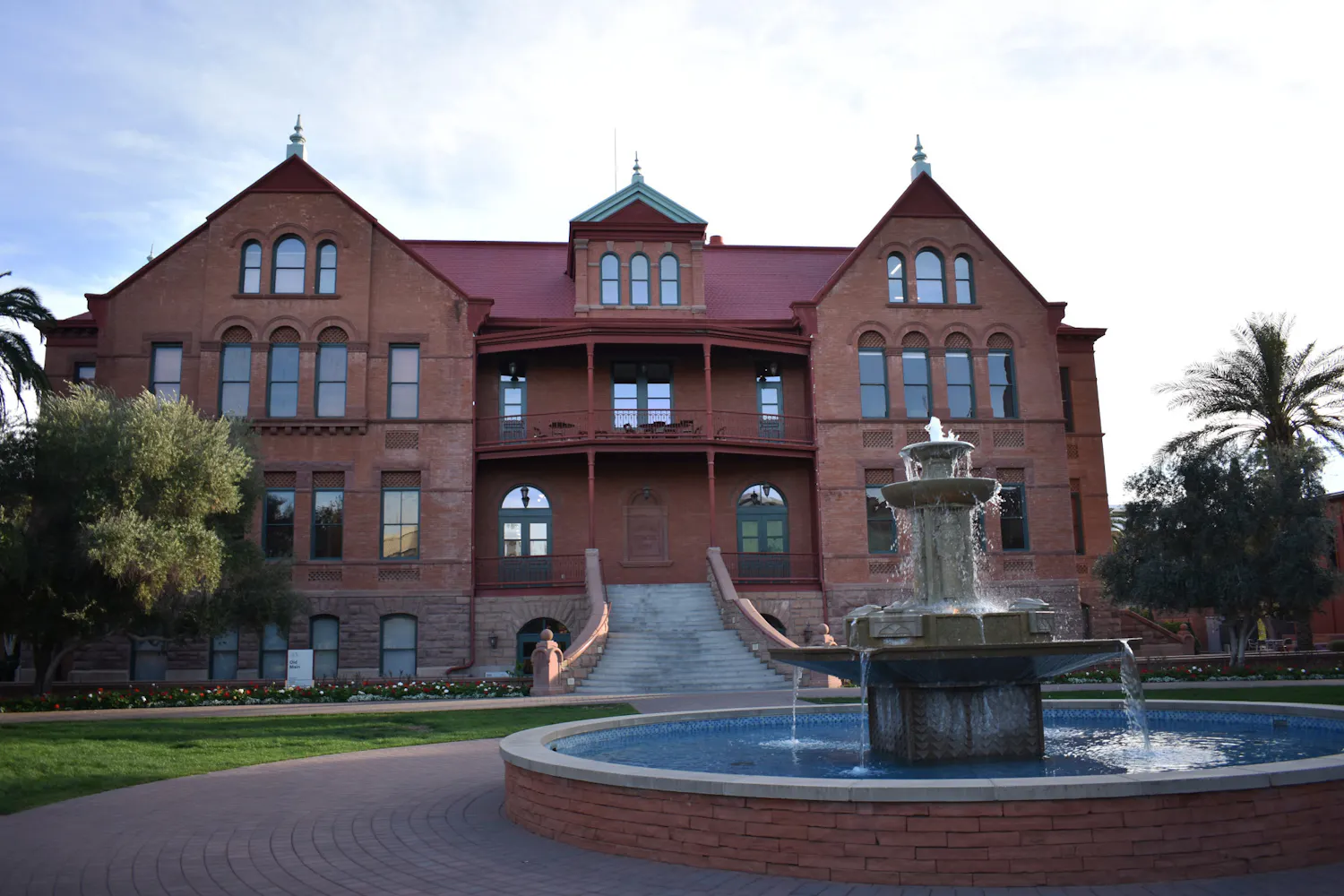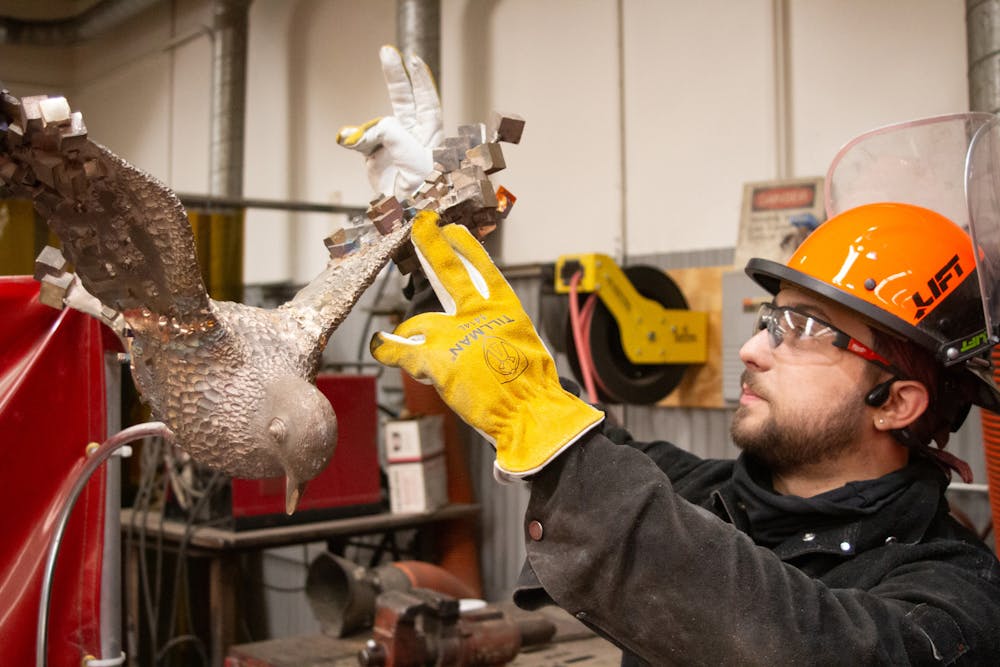
The life of an arts major may not be filled with chemical formulas and computer programming, but it is comprised of dedication and endurance, the same skills needed by every college student to achieve their educational aspirations.
For many artists, those big goals begin before university, dating all the way back to middle and high school.
Hailey George, a senior at ASU, said a major in art or music was always in the cards, but as a Sun Devil, she's taken the path of studying animation.
"I've always had a passion for art, and I couldn't really see myself doing any other job like marketing or business," George said.
And even if art wasn't always the first choice, there's room for chance.
Carlos Benitez, an undergraduate student studying sculpture, used to be an engineering major. It was during his third year that Benitez realized that engineering was no longer for him.
"I was very stressed out," Benitez said. "I realized that engineering is more of a theoretical route than a hands-on approach, which is opposite from what I think a lot of people would think about engineers."
Benitez found comfort in the tangible aspects of metal fabrication and currently works at a local bronze foundry.
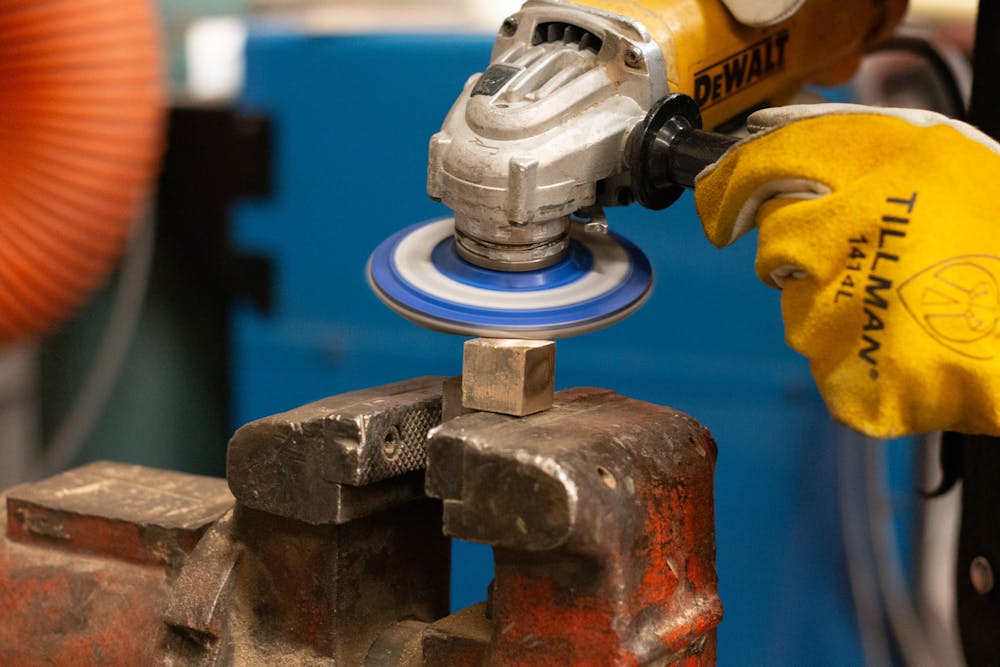
The arts themselves might offer freedom when it comes to creative expression, but that isn’t to say assignments and structure aren't involved.
Hannah Frazier, a junior studying music therapy, said it's a misconception, sometimes even in the arts community, that arts students don't put as much effort into their studies as other majors do.
She said people don't consider the amount of time art students put into perfecting their craft, whether that is dance, music or any other artistic medium.
"People don't think about those hours as much, even though that is work, and that's work, too, that not just anybody could do," Frazier said.
READ MORE: Opinion: Art students deserve better
Aside from the mental gymnastics of comparison, there are also other limitations arts students face — to put it plainly, it's expensive.
Outside of tuition costs, most art students need to purchase the tools necessary to create their work. That might be $5 paint brushes or, in Benitez's case, thousands of dollars in supplies.
"A lot of students don't have to think about where their textbooks come from ... but I have to constantly worry about the metal prices and stocks coming up and down, when I can buy and when I can't, just to come up with my next piece," Benitez said. "Most of my projects are easily … becoming $2,000 to $3,000 in just equipment or materials."
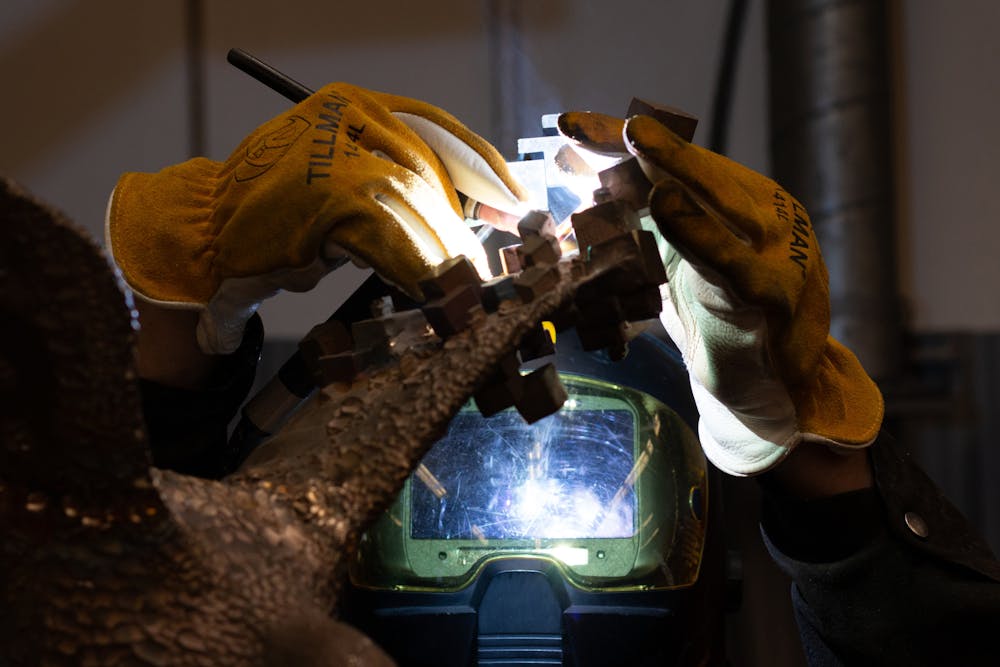
Expenses aren't just limited to supplies. Students who don't create physical projects might still find themselves spending a pretty penny on necessary materials.
In her music therapy program, Frazier's primary instrument is her voice. That exempts her from dealing with the general expenses of a physical instrument that costs much more.
"Somebody that's a trombone player or somebody that's a flute player, I know that their instruments require more upkeep and purchases, and the instruments themselves are very expensive," Frazier said.
Frazier still needs to make several purchases to help with her education, even if she doesn't primarily practice a physical instrument.
She said singing-focused students are required to hire a pianist each semester, which usually costs around $500. ASU offers a lottery for students to receive a discounted price, but even then, it's not a guarantee, and there is still an upfront charge.
READ MORE: Is art universal? ASU art students discuss the relationship between artists and audiences
If the cost of tuition and the extra cash don't guarantee a job in competitive fields, why do students choose art? Why do they trade textbooks in the library for long hours in a studio creating?
It's another simple answer: passion.
"A lot of art students will come to realize that we don't do this for financial stability," Benitez said. "This is not a financially viable degree, but we do this because we want to share and we love what we do, and if it wasn't a passion of ours, we wouldn't have pursued it."
Edited by Kasturi Tale, Henry Smardo and Pippa Fung.
Reach the reporter at jagon128@asu.edu.
Like The State Press on Facebook and follow @statepress on X.
Jazlyn Gonzales is a senior studying Journalism and Mass Communication. This is her fourth semester with The State Press. She has also interned at KJZZ and worked for Blaze Radio