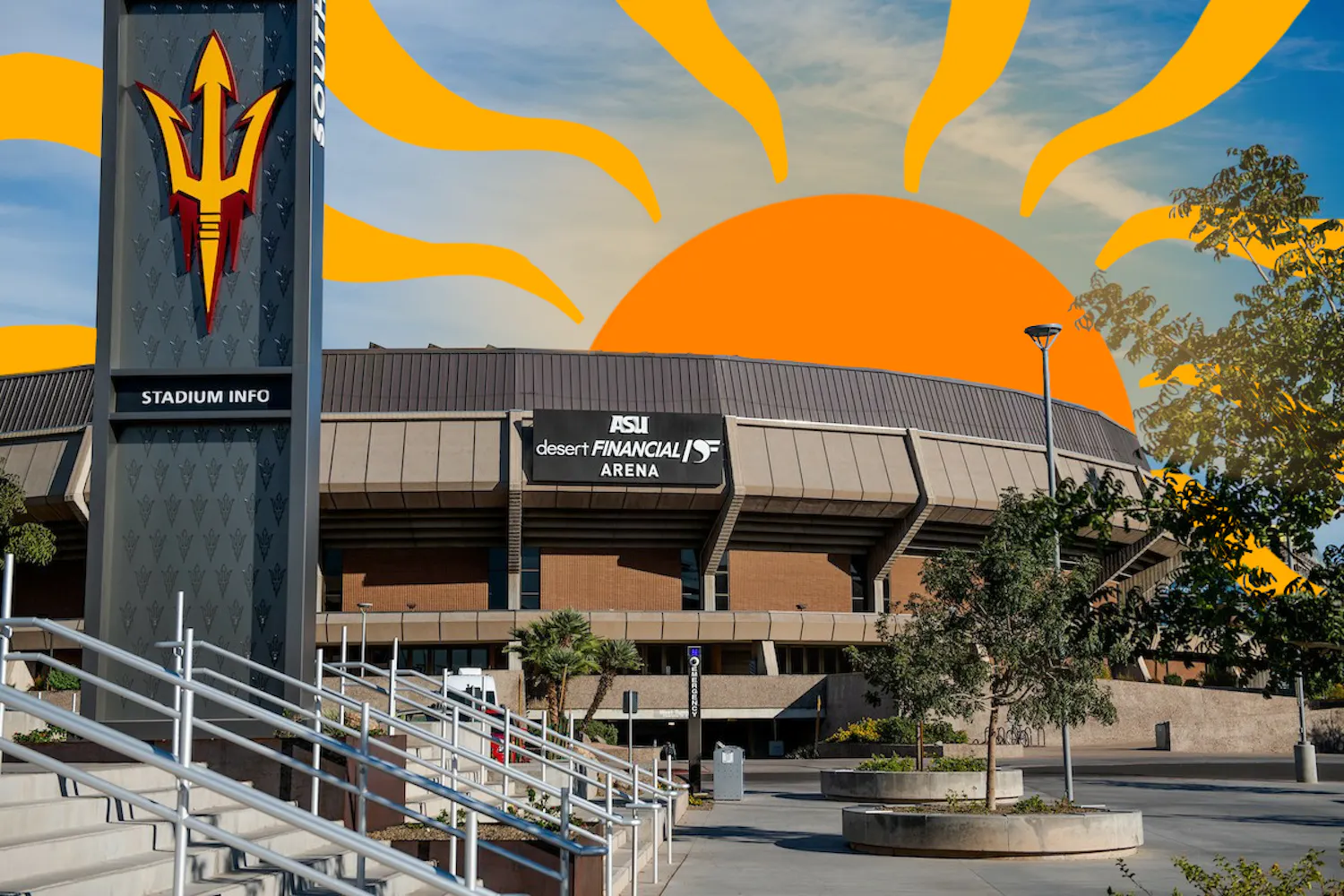
From the "stomp the bus" video to a Sun Devil touchdown, the energy inside Mountain America Stadium can be overwhelming for fans with developmental disabilities — but a new space offers a place to recharge.
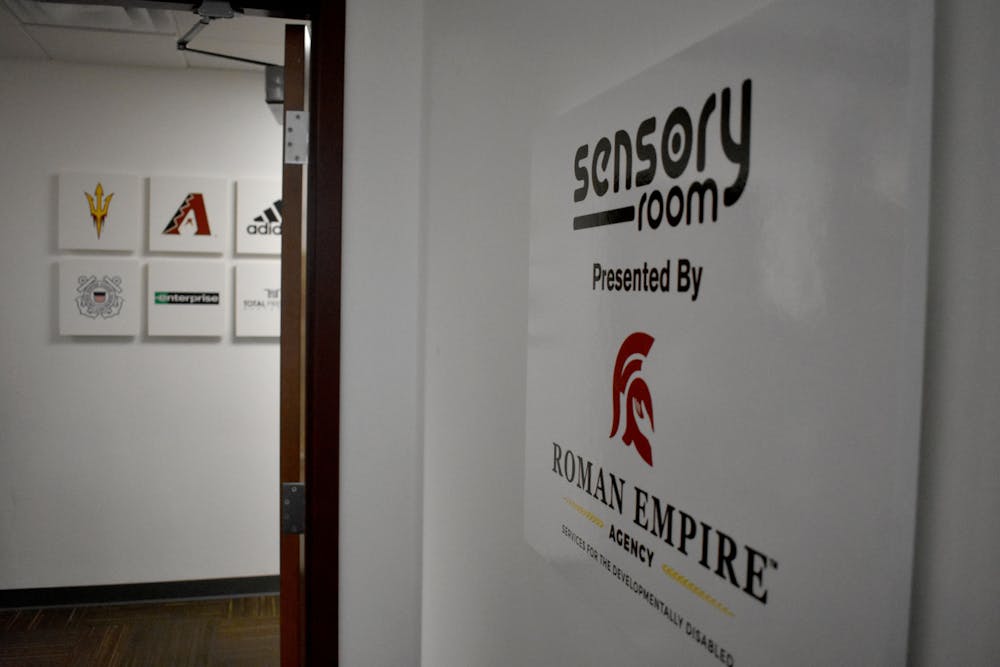
On the south side of the stadium, inside the Carson Student-Athlete Center, is a new sensory room created through a partnership with Sun Devil Athletics and the Roman Empire Agency. This room provides a quiet space with toys and other items to reduce the stress and anxiety game day may bring.
"ASU approached us and we were so excited to offer this," CEO and founder of Roman Empire Agency Gabriela Salcido said. "We thought it was very interesting that, for the first time ever, a college such as ASU would participate in creating a space like this for not only their athletes, but also the families and the community of people that have sensory issues."
Roman Empire Agency was started by Salcido to provide services to people with developmental disabilities, giving them accurate and quality care. Started nearly 16 years ago as Roman Empire Living Skills in California, it has grown to where it is today — supporting its clients in multiple states.
The agency already has sensory rooms in both Chase Field and State Farm Stadium. Despite the success these rooms have already had, many people are still unaware of their availability.
"For the Cardinals, they did have the sensory room, but it wasn't advertised," executive director Emily Lorah said. "To have that safe space and to have families actually know that it's available to them is amazing."
Taking a break from the action is not only important for fans with developmental disabilities, but also for families. Many parents find it difficult to decide to spend money on tickets if they know their child may become overstimulated.
Kisha Gulley, a parent of two children with developmental disabilities and someone who works alongside children with disabilities, has used the sensory room at Chase Field. As an Arizona sports fan, the sensory rooms give her a sense of relief when cheering for her favorite team.
"It makes you feel a little bit more at ease," Gulley said. "It's kind of like when you get on an airplane and you're looking for the emergency exits. 'In case of an emergency, how am I going to get up out of here?' It's the same thing with the sensory rooms."
When it comes to game day, the sensory room helps mitigate any complications that may arise when bringing someone with developmental disabilities to the stadium, allowing for more fans to put their "Forks Up" in the stands.
Not only is the impact on families felt during game day, but the impact outside of the stadiums is extensive when it comes to knowledge about developmental disabilities.
"These sensory rooms bring awareness as well," Lorah said. "It can really help educate and bring awareness to people who are not familiar with sensory issues and just developmental disabilities in general."
The sensory room inside Mountain America Stadium will continue to provide Sun Devil fans with new services they have not had the option of before. The continuation of these sensory rooms may also create new memories for families, as they have given Gulley's family the option to have fun celebrating their favorite sports.
"I'm just glad that they're doing stuff like this," Gulley said. "They're thinking about families like ours, because we also want to go enjoy ourselves and it's not fair that sometimes we don't have very many options, but now we do."
Edited by Alan Deutschendorf, Senna James, Tiya Talwar and Pippa Fung.
Reach the reporter at niall.rosenberg@gmail.com and follow @RosenbergNiall on X.
Like The State Press on Facebook and follow @statepress on X.
Niall Rosenberg is a lead Sports Reporter at the State Press. He has previously worked with sports teams such as the Rockford Rivets of the Northwoods League. He is in his 2nd semester with the State Press with the chance to cover football and other sports.