"They say the hardest part of rollerblading is telling your parents you're gay."
Jokes like this one, from an MTV "Human Giant" skit making fun of rollerblading, show how many don't look at skating seriously. But what skaters really want is respect.
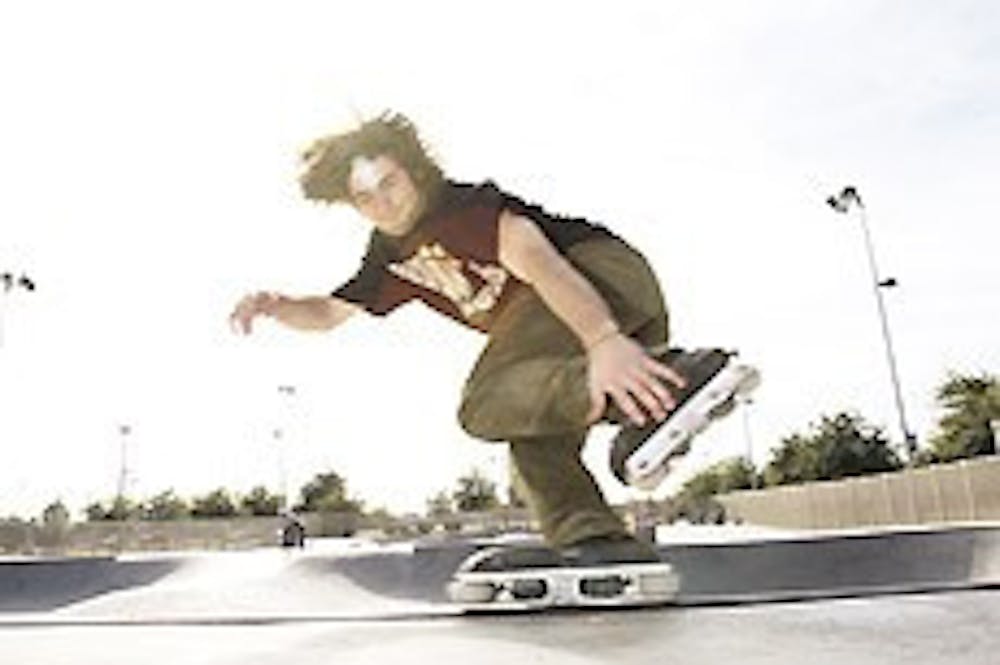
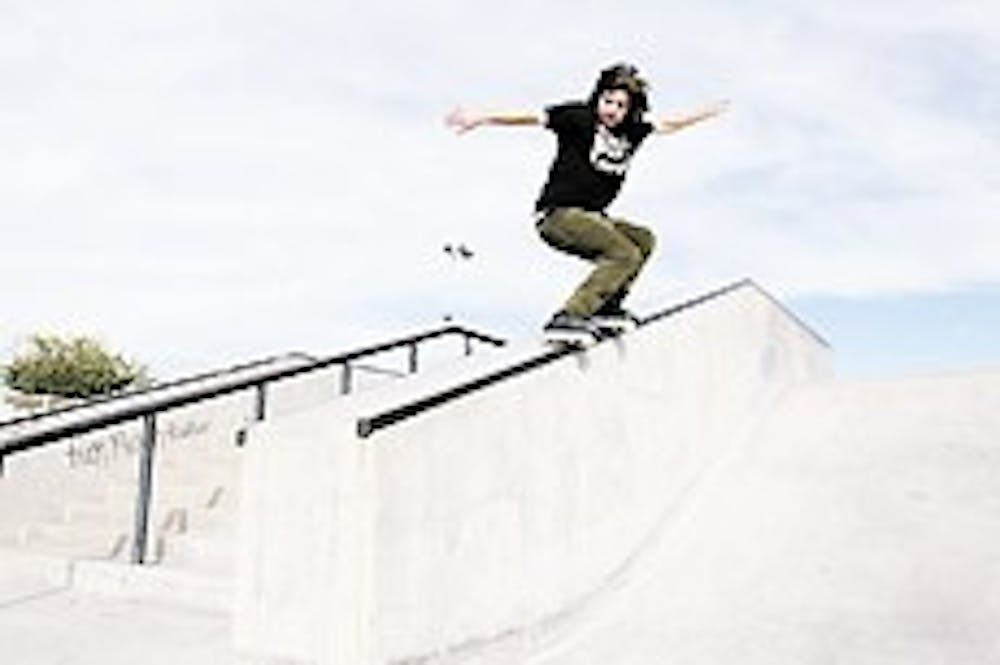
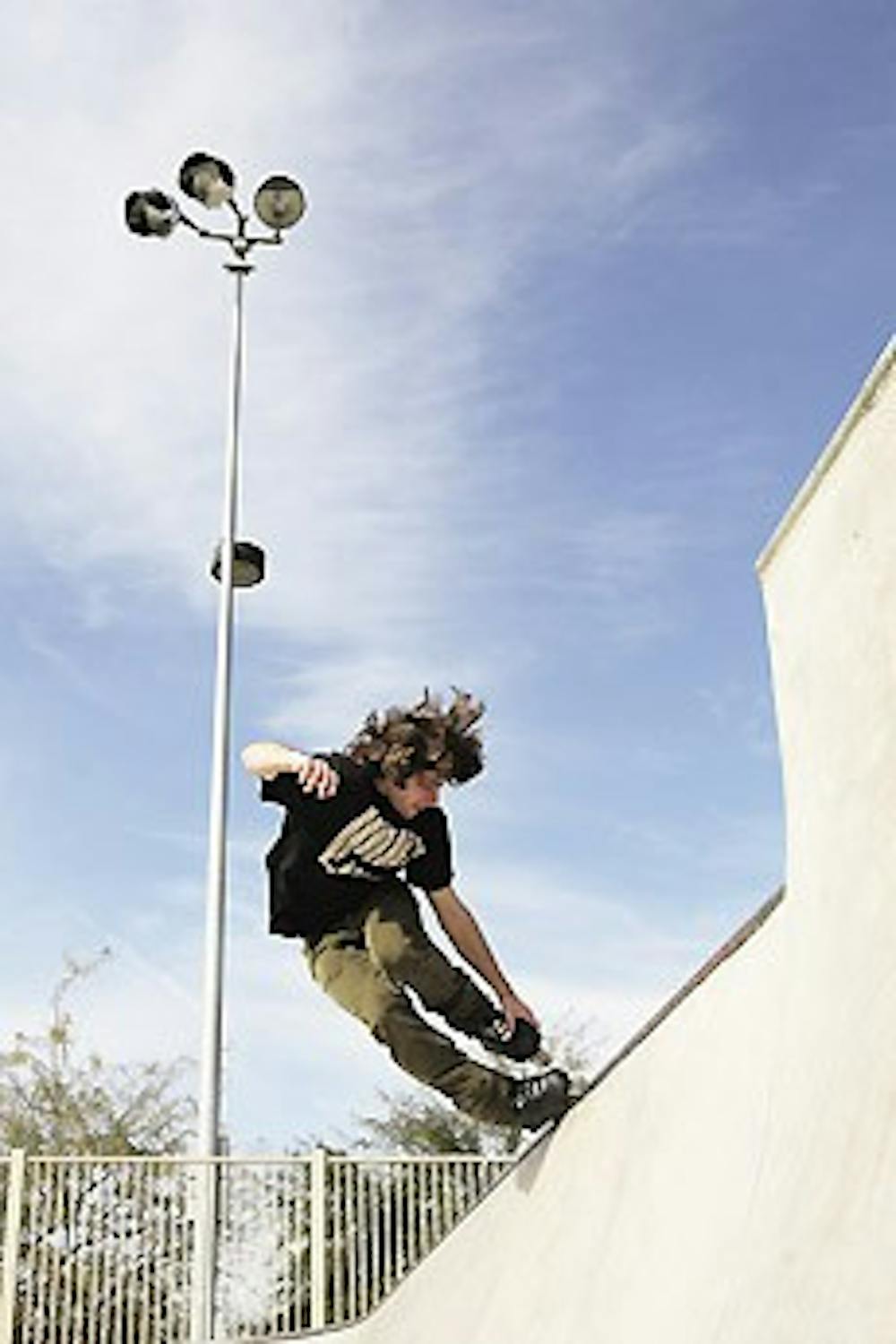
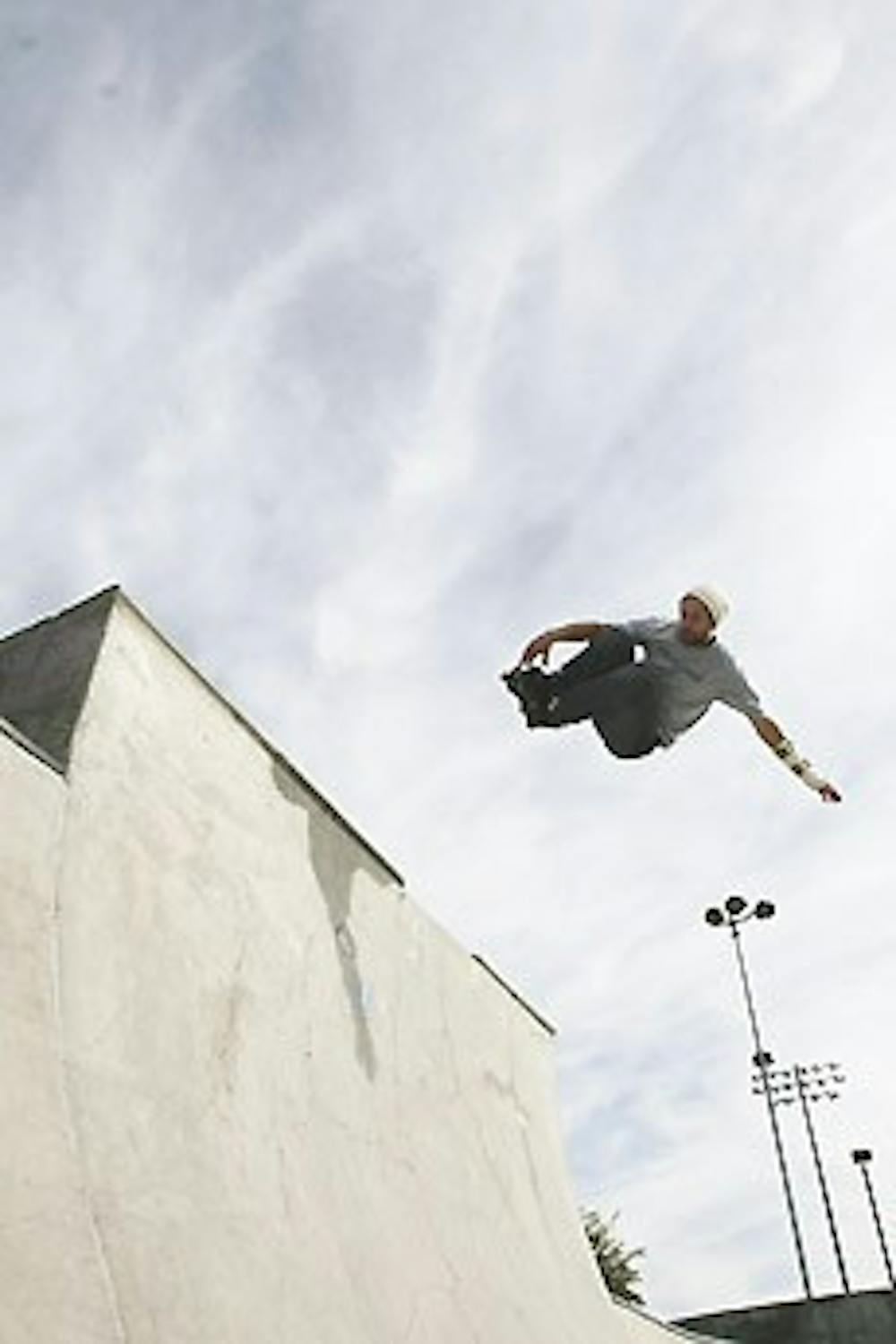
By taking a closer look into the local skating community, it is evident that it's filled with creative, passionate athletes.
Rollerblading gained popularity in the '90s but quickly fell off the radar of popular action sports. It was once an exhibition on the same competitive stage as skateboarding and BMX, but many critics disliked the quick uprise of the sport.
In 2005, rollerblading was removed from the X-Games.
Despite all the trials, many skaters are staying true to the sport they love.
Revolution Skate Shop originated out of Alaska in 2002 but moved to Arizona because of the growing scene and because the weather permits year-round skating.
At first, it has the feel of any "normal" skate shop. But sitting down on the couch and chatting with any of the skaters hanging out in the shop makes it easy to understand why the store has been so successful.
"I think that Revolution has done a lot to change [the scene] so people new to the sport or people who have been in it for a while can feel like part of a community rather than what at some times felt like being an outcast in a sea of skateboards," medicinal biochemistry senior and eight-year-skater Evan Darzi says.
The store in Chandler opened two and a half years ago. One of the co-owners, Gretchen Boone, says they take pride in the close community of rollerbladers in Arizona.
"When someone says, 'I rollerblade,' the first thing they think is 1991 Spandex," Boone says. To the contrary, skaters in this scene are mostly guys in their teens and 20s sporting tight-jean-and-T-shirt combos, much like the skateboarders of today.
Like skateboarding and BMX, there is no real dress code for the sport, but there are skate brands that make shirts, shoes and hoodies that avoid any reminders of the spandex days.
Names for these participants (positive and negative) include: inliners, bladers, fruitbooters, aggressive skaters and rollers. Many of the participants refer to themselves as "skaters" but more often than not they are confused with skateboarders. So, they've gone with the original name "rollerbladers."
It's difficult for the community to establish themselves with so many names, although Boone says it is what it is: rollerblading.
Despite the sport's efforts to prove doubters wrong, many still believe rollerblading is easier than other action sports. "[They say it's easier] because they're attached to your feet, but they never say that about snowboarding," Boone says.
When rollerblading went to the X-games, many people thought the sport needed to pay its dues the way skateboarding did.
"I think back in the '90s, skateboarders were like, 'You guys just started, why are you in the X-games when we've been around for 25 years?'" she says. "Most rollerbladers can take their skates off when they are getting crap about it and get on a board and do just as well as skateboarders."
Boone says skateboarders should be more understanding because their sport was the "outsider" sport, and now that it has become so commercial, rollerblading is its replacement in many ways.
"They shouldn't judge it. Don't hate us because you skateboard or your friends skateboard," Boone says. "I like our community because it is so diverse, we can have gangsters and rockers be friends."
"As I understand, Arizona has become one of the greatest hubs for skating in the U.S.," skater Evan Darzi says. "I don't know if it took time for people to look past the olden days of rollerblading when it was all big helmets and half pipes and finally recognize that it is a much more dynamic art than anyone realized."
Revolution has been doing its part to help the rollerblading community through "Thursday Night Skate."
"Thursday Night Skate helps to showcase rollerblading to the younger generations," Boone says. They're also working to bring the community of rollerbladers together to keep it alive, she says.
Revolution started Thursday Nights about nine months ago and sessions usually draw around 20 to 40 skaters. "You should just come to Thursday Night and meet us and not hate us," Boone says.
After meeting skaters who are so passionate about their sport, it proves that there is more to sports than fitting in and rolling with the trends.
If you go…
Revolution Skate Shop
2974 N. Alma School Road #4, Chandler
11 a.m. to 6 p.m. Monday – Friday
11 a.m. to 5 p.m. Saturday