The Underground Foundation, or TUF, started in 2010 to promote punk and hardcore house shows and as a way for the community to take ownership of the music scene.
There are three types of people in this world: Those who adore TUF, those who are critical of it and those who have no idea what it is.
The club has transformed from one of "Anti-Greek" to one that's "not anti-anything, just pro anything interesting and creative," explains Richard Post-Gutierrez, an ASU economics senior and current president of TUF.
Just a few years ago, the club started as a place to unite.
"The hipsters sort of had their own commune, but the lone punk was kind of left to wander," explained former TUF president Khayree Billingslea in a 2010 interview with The State Press.
After this positive and hopeful beginning, TUF began to become more inclusive and more insulated against what is seen as "uncool" outsiders.
Cut to the beginning of last year, where TUF forcefully proposed, "Some people enjoy everything else. TUF is for everyone else."
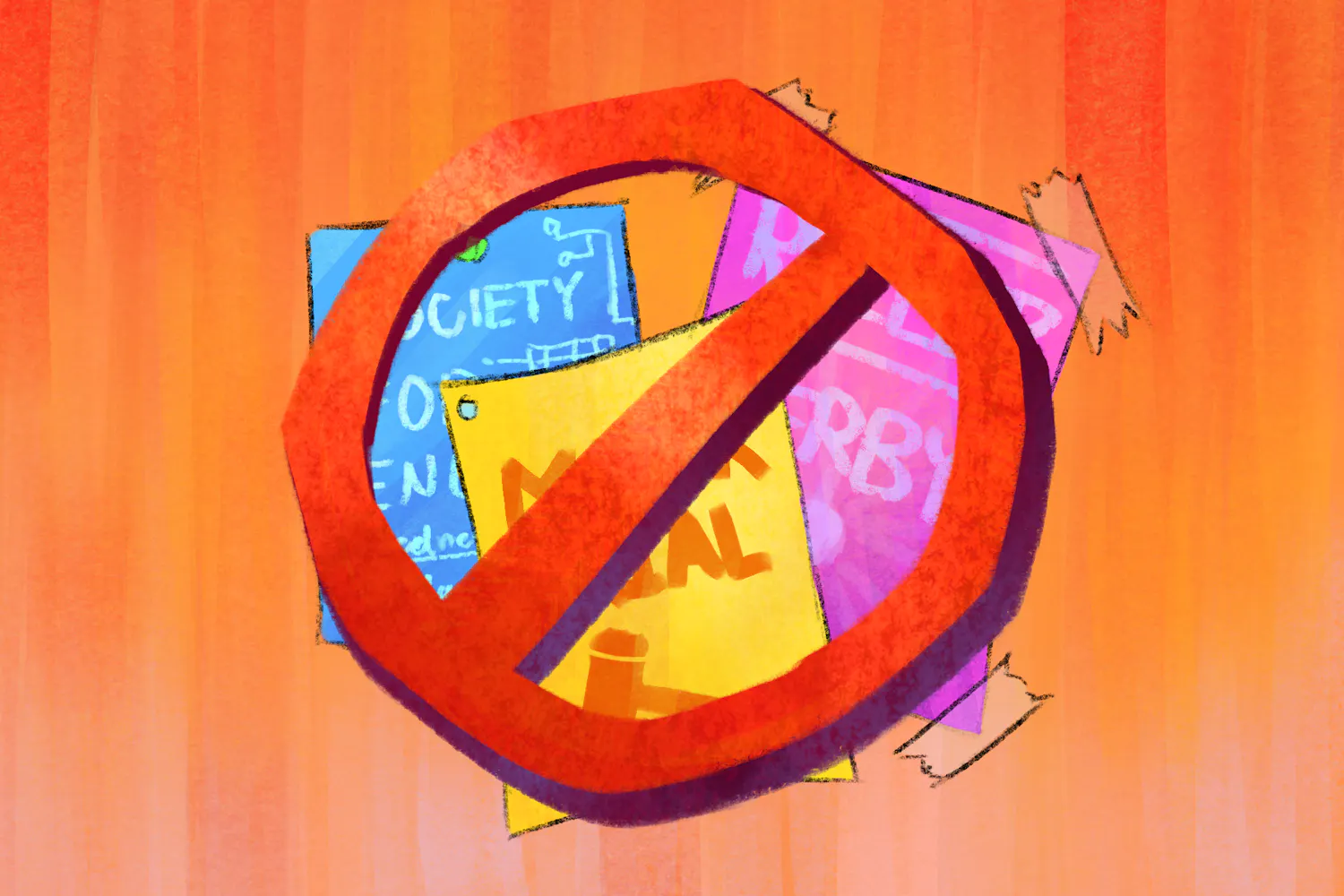
This may have been meant as a tongue-in-cheek aside against Greek life, but it still sent a powerful message to anyone who was interested: They should go away.
By being generally alternative, there is pressure to conform to another ideal. While there should be a place to be yourself if you do not fit in with the crowd at ASU, I think it's important to remain open to the diversity that ASU has to offer.
Luckily, this year's TUF remains surprisingly open to new experiences.
The 2013 iteration of TUF has changed to be more open to "anyone who enjoys artistic individuals. It's a place to meet and create," Post-Gutierrez said.
This year the club has opened up and been more open to "subsets" such as art, poetry, pizza, FIFA, film, screen printing and gardening.
While the club seems most intent on promoting their house shows dedicated to showcasing music and local bands, there's definitely an open feeling to all the subsets.
What interests me most is this huge paradigm shift in the club's organization. When I was a freshman, it seemed like there was a "holier than thou" aspect to the club, as if you couldn't join if you weren't cool enough. It's the sign on the door of the childhood treehouse saying "keep out" all over again.
Sociologically, groups need to isolate themselves to remain intact. They need an "us against them" narrative that, unfortunately, can create friction with people interested in joining.
In fact, when I attended a recent club meeting, some girls asked me if I was in a gang, and I was just confused. Later, I realized they were attempting to include me. Post-Gutierrez noted that TUF was once a "boys' club for kids who wanted to be violent, but now it's a women's club. Most of the (club) officers are women."
By making a shift to a broad cultural institution and promoting creativity, the club can be open and inclusive while still retaining an air of exclusivity for those who want to be a part of something really cool.
Send Peter invitations to your club at peter.northfelt@asu.edu or follow him on Twitter @peternorthfelt