Zero-day exploits have made hacking easier than ever
Zero-day hacks make it practically impossible to stay private on the internet. Here's why.
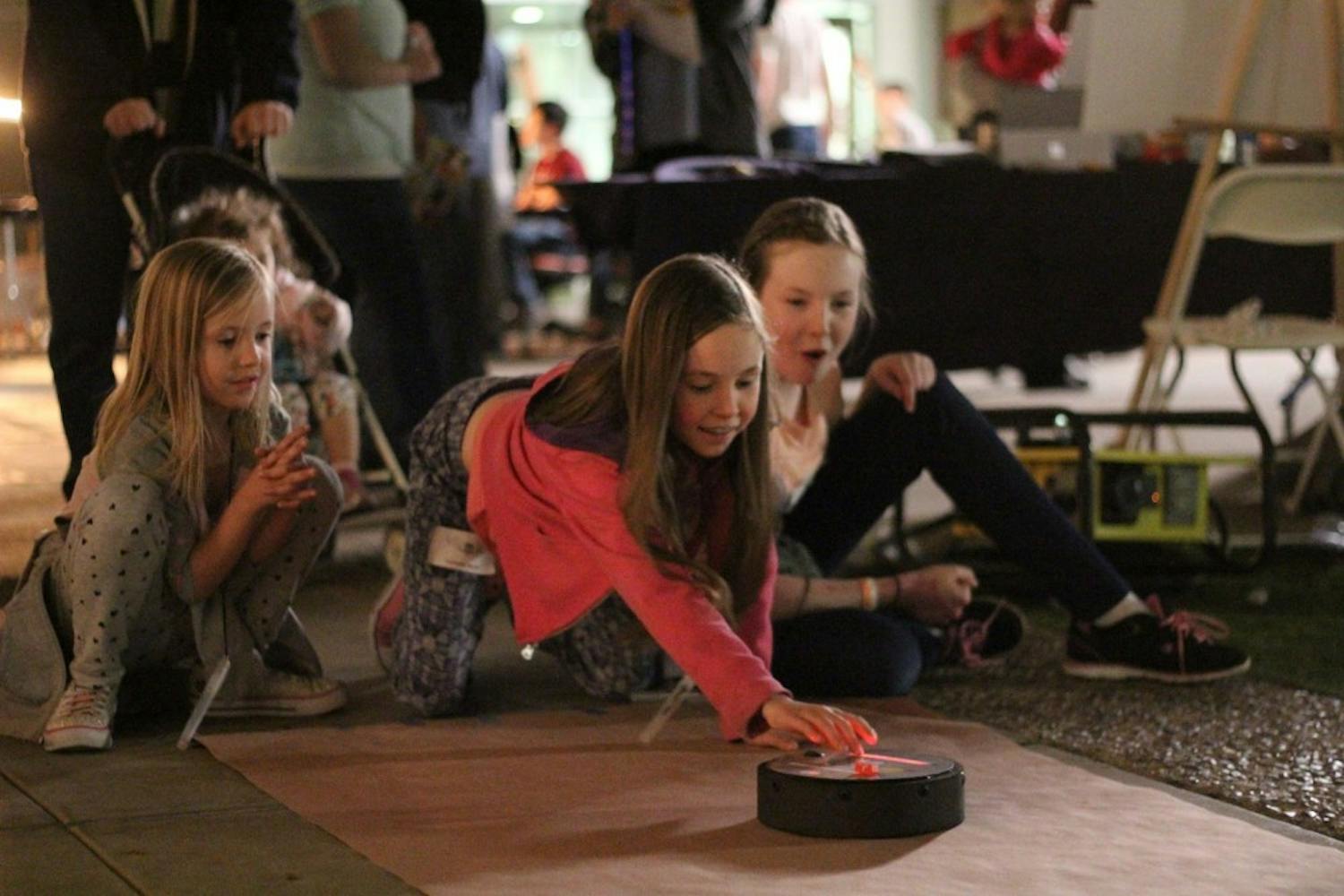
First Gen Scientists, provides science-oriented after school activities for at-risk youth in Phoenix.
WikiLeaks publication of CIA documents that detail its access to surveillance tools shouldn't worry students too much, researchers say.
The future of pancreatic cancer diagnostics comes in the form of a blood test, according to ASU researchers who have published a recent study.
The Mary Lou Fulton Teachers College received a national award for its scale of technology integration.
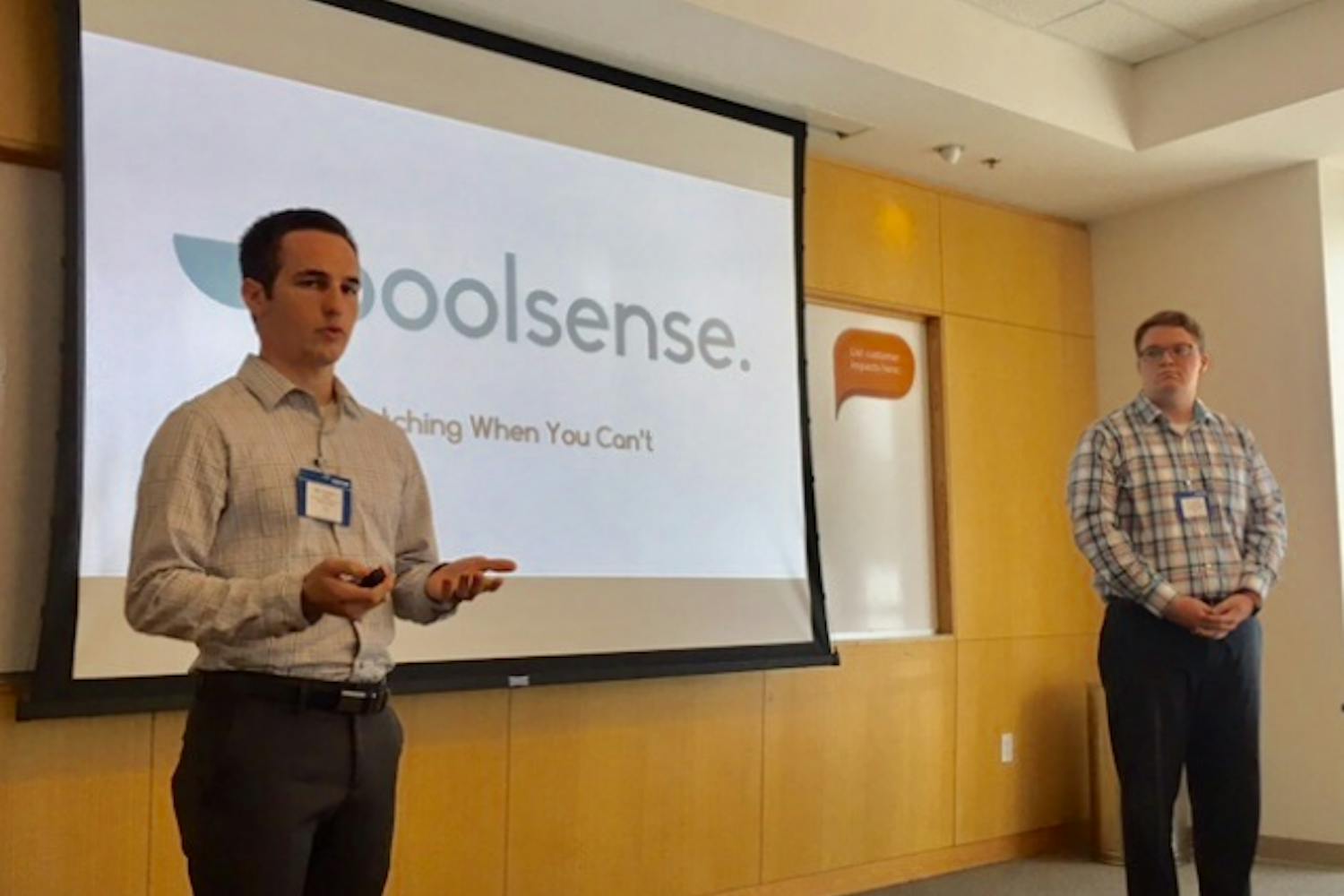
ASU-based startup Troxie is developing a wearable for kids that keeps track of their asthma.
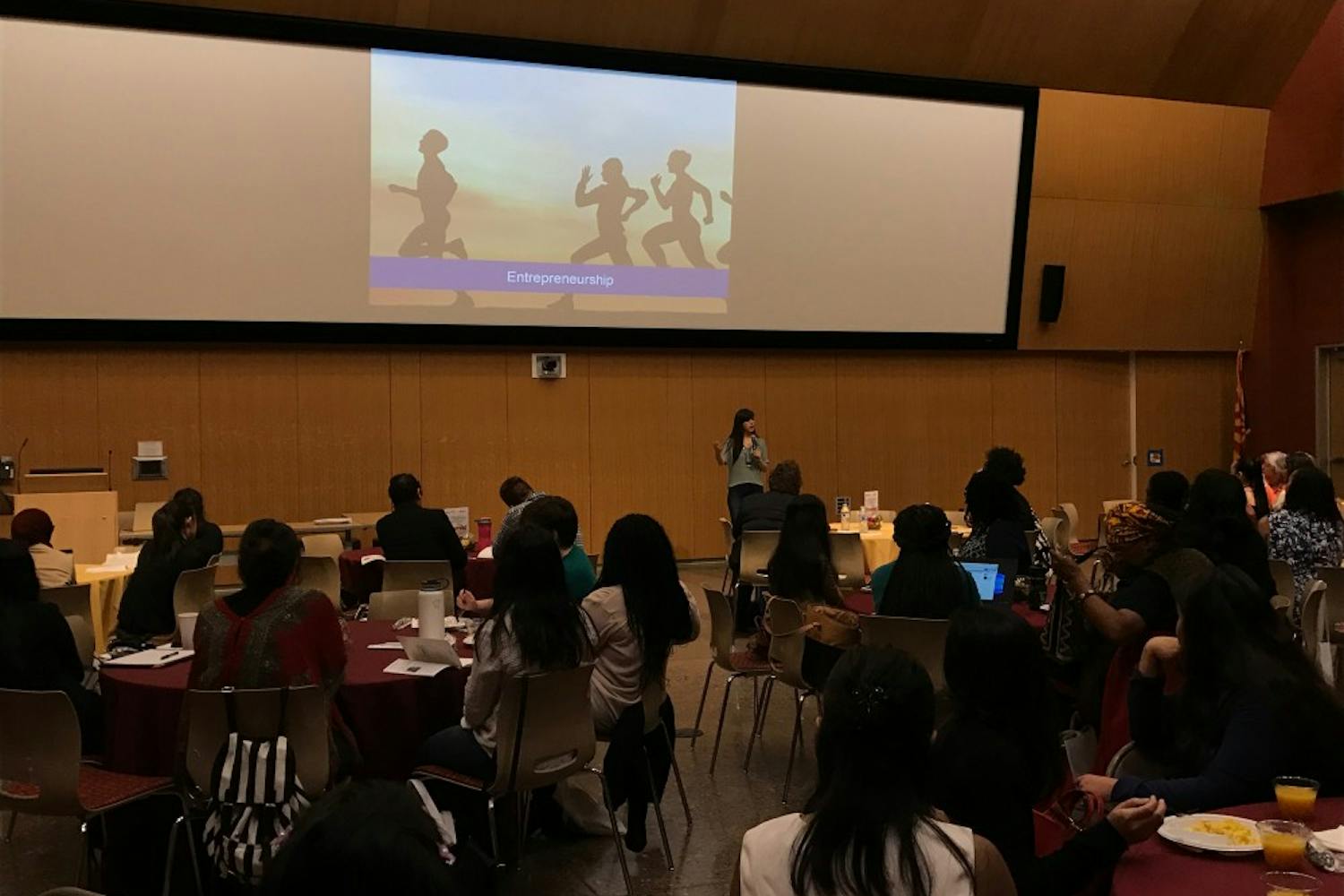
Entrepreneurs from all around Phoenix came together Friday at the Tempe Memorial Union to learn how to grow in the startup community.
A swarm of drones might just save you the next time you leave the stove on.
ASU Sun Devil Satellite Laboratory's Pulse Plasma Thruster is charged up over their latest test: thruster ignition without the use of a spark plug.
No one combines eclectic interests and engineering quite like Joshua Kosar.
The Aquapanos team uses nothing more than fish and water to grow produce.
ASU, NAU and Embry-Riddle students finished designing a hyperloop pod, and are set to compete in SpaceX's competition.
ASU Child Study Lab is exploring how children's minds are formed in a classroom environment.
As Apple's Night Shift makes its way from iPhones to Macs, the benefit of the technology undergoes scrutiny.
Advancements in diamond electronics by ASU scientists could go where no transistor has gone before.
Even though passwords are vulnerable in many ways, their convenience and ease-of-use will keep them around.
NeuroDevils is a club on campus providing students interested in neuroscience with valuable connections, opportunities and events within ASU and the greater scientific community.
ASU's innovations will be used in future space missions by NASA.
Hacking from abroad isn't the only threat ASU computer science professors are worried about: people are.
Wastewater injections, primarily done in oil production, have been suggested to cause an increase in the frequency of earthquakes.
This website uses cookies to make your experience better and easier. By using this website you consent to our use of cookies. For more information, please see our Cookie Policy.