ASU study reveals holes in research of plastic's effects on marine life
Researchers have determined there is insufficient evidence to suggest that plastic causes a decline in megafauna population levels.
A student- and faculty-produced simulation game walks players through daily choices to prevent spread of COVID-19.
A study conducted by ASU’s College of Health Solutions found users of different types of technology vary in health habits.
ASU's Luminosity Lab partnered with Lane College to plan redevelopments to an area adjacent to the school to provide a community hub.
A new College of Health Solutions study examined how families' principles impact their efforts to stop food waste.
ASU's Child Study Lab has started to find stability after many hurdles to research during the COVID-19 pandemic.
A case study by an ASU researcher and a Ph.D. student at NCSU showed overwhelmingly positive reactions to Steak-Umm's Twitter campaign against COVID-19 misinformation.
Biodesign Institute's Beus CXFEL lab has started making "molecular movies" and began research for pharmaceutical development.
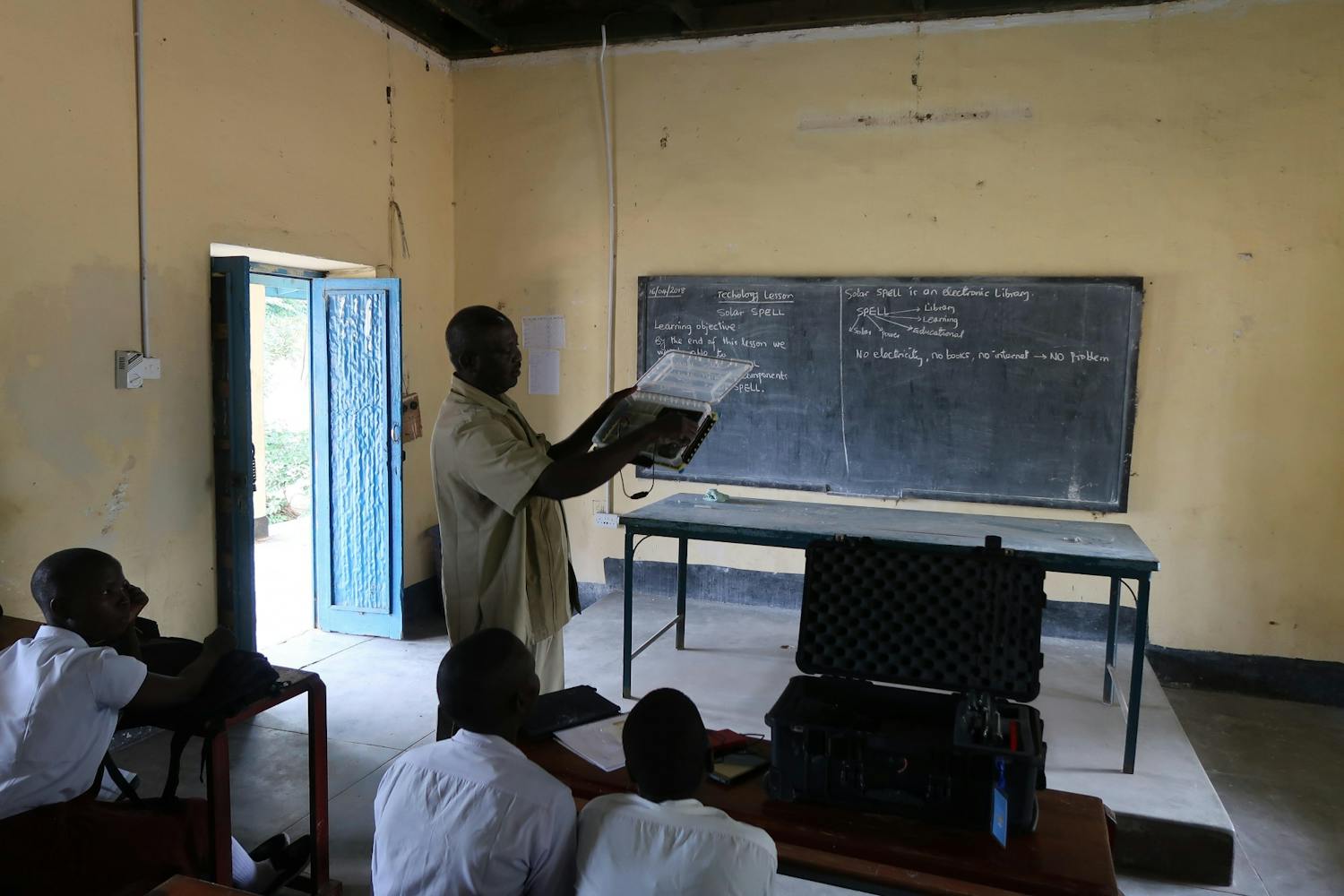
Research collected from ASU's LunaH-map spare neutron detector in the Neutron-1 3U CubeSat mission can aid in NASA’s Artemis-1 program.
ASU Professor Klaus Lackner has created a mechanical tree designed to capture carbon from the atmosphere. The prototype will be built as early as next year.
The Urban Heat Island/Tree and Shade subcommittee reflected on this summer to discuss future actions to reduce heat in vulnerable communities in Maricopa County.
Latter-day Saint community joins fight on PPE shortage, making 600,000 masks in a four week period for Valley hospitals.
The Cloud Innovation Center partnered with GPEC to enhance data distribution and accuracy using Amazon Web Services' working backwards process.
As the Coronavirus pandemic reshapes air travel, faculty at the ASU Aviation Program is actively finding solutions to overcome obstacles.
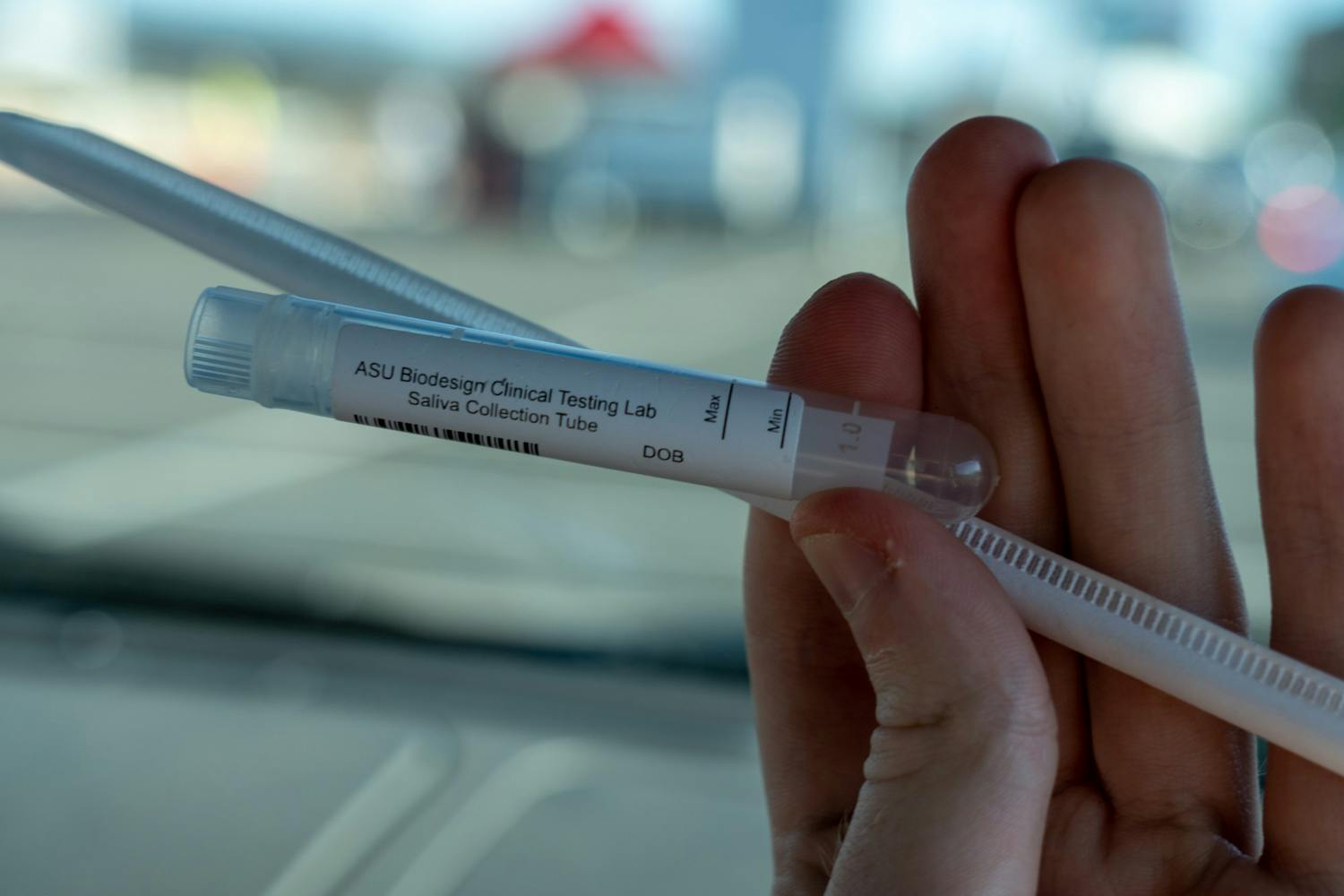
ASU researchers were awarded a $6 million state contract to develop a new rapid, saliva-based COVID-19 test that would deliver results in under 20 minutes.
New research center focuses on identifying inequities within STEM education and disseminates information to entities that faculty works with to best combat the lack of inclusion.
Forty Starship robots roam the Tempe campus, allowing students to order and receive food from 14 restaurants and POD Markets with contactless delivery.
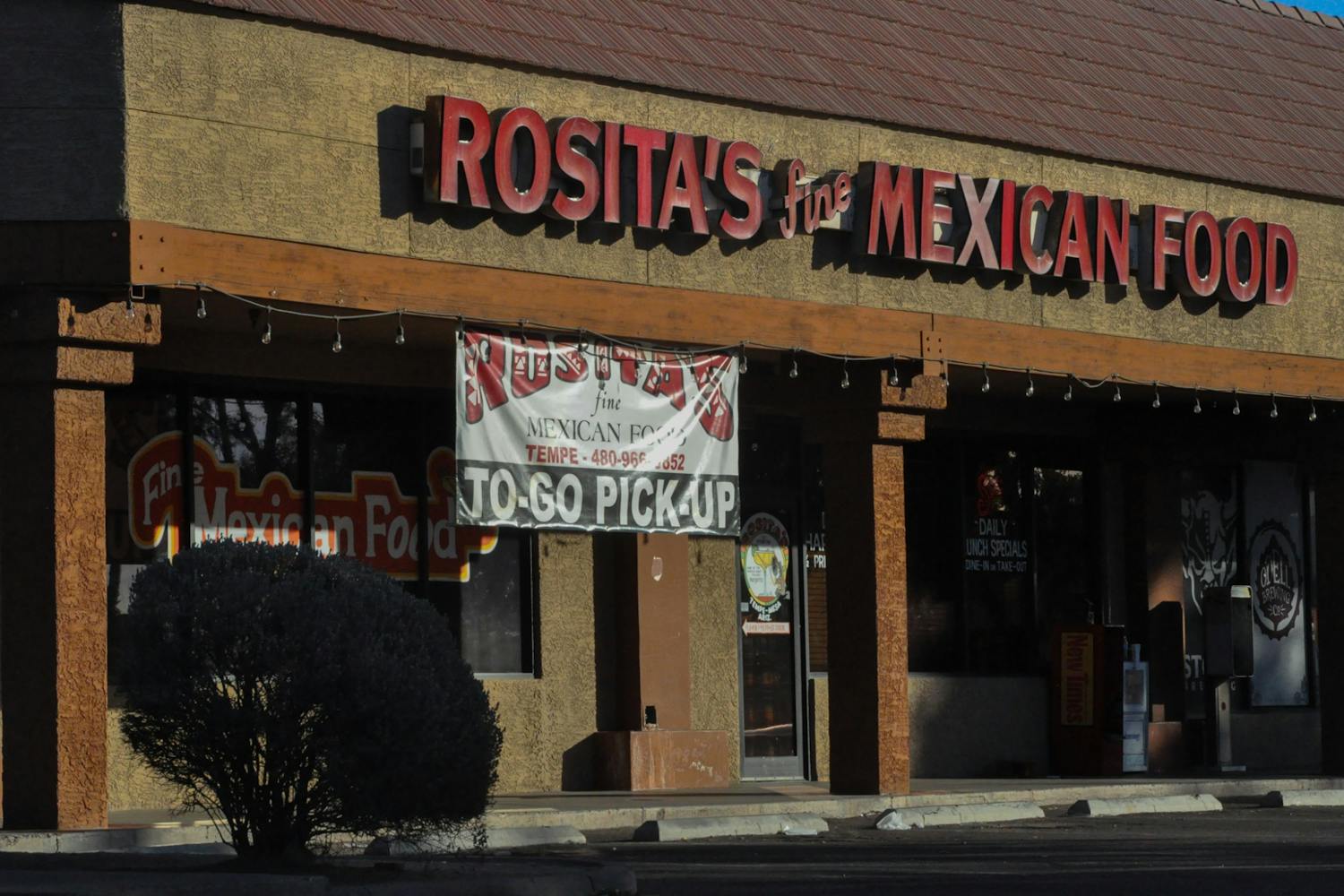
Tempe restaurant owners say apps such as DoorDash and Postmates can be a double-edged sword.
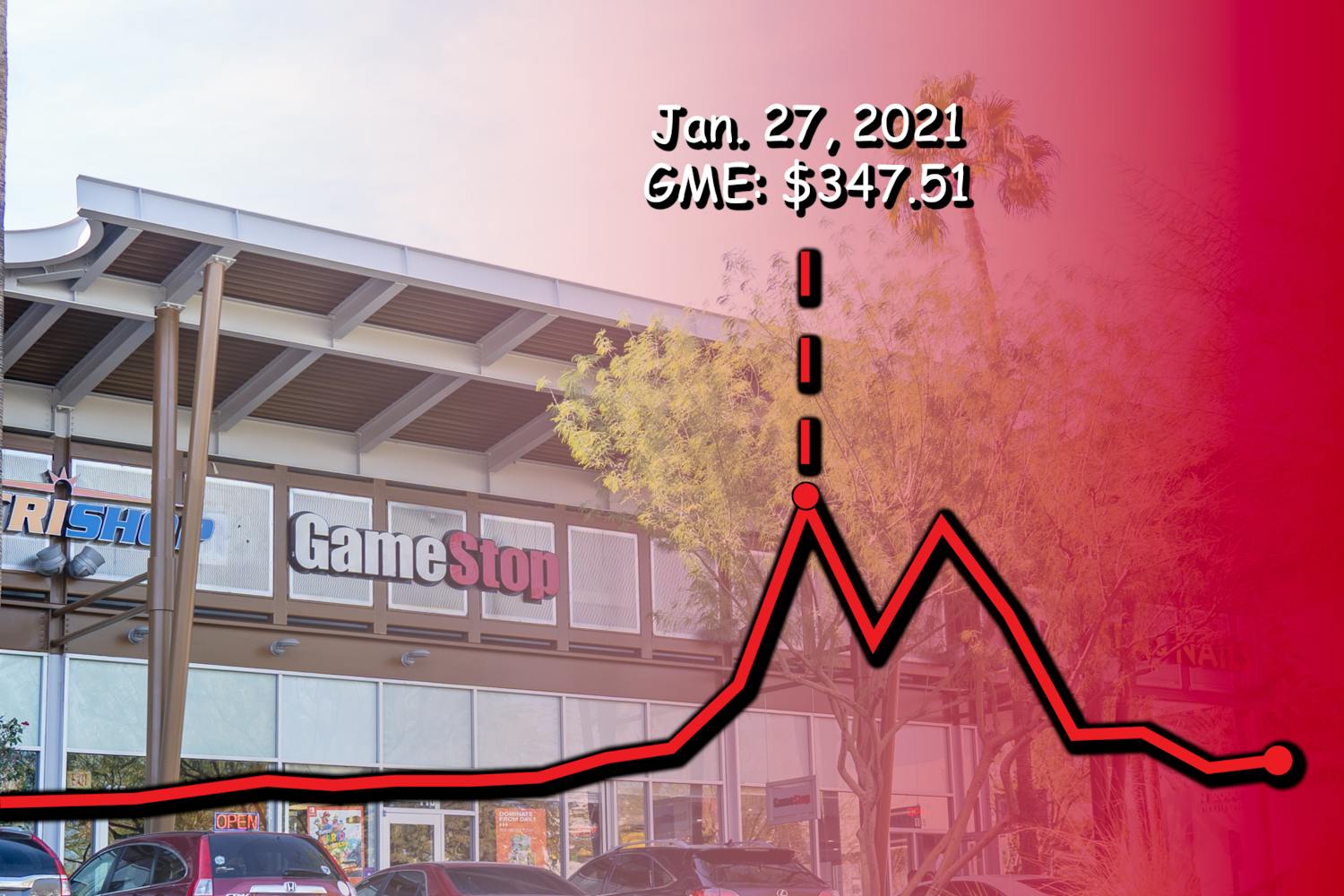
W.P. Carey professor Debra Radway weighs in on trading and investing during the COVID-19 pandemic.
ASU's daily health check is a set of two questions that ask students and faculty how they are feeling and what steps to take next if they are showing possible COVID-19 symptoms.
This website uses cookies to make your experience better and easier. By using this website you consent to our use of cookies. For more information, please see our Cookie Policy.